Repair or Replace? A Homeowner’s Guide to Making the Right Call
Sydney Bagby • January 8, 2026
A clear, pressure-free guide to deciding what’s best for your home

When your furnace or HVAC system starts acting up, the questions come fast:
- “Should I fix it again or finally replace it?”
- “Am I throwing money away on repairs?”
- “Is this company just trying to sell me a new system?”
If you’ve ever wondered any of these, you’re not alone. For most Colorado Springs homeowners, deciding whether to repair or replace a furnace is one of the biggest home comfort decisions they’ll make—and it can be stressful.
It doesn’t have to be.
At Home Heating Service, we believe you deserve clear, pressure-free guidance. In this guide, we’ll walk you through a simple way to think about the repair vs. replace decision using five key factors:
- Safety & reliability
- Age & repair history
- Comfort & performance
- Energy use & bills
- Your future plans & timing
By the end, you’ll have a framework you can actually use—plus a clear next step if you’d like a professional, no-pressure opinion.
The Big Picture: Your Comfort, Safety, and Budget
Before we dive into details, it helps to zoom out.
The real goal isn’t just “keep the old system” or “get a new one.” The goal is to:
- Keep your home safe
- Keep your family comfortable
- Use your money wisely
Sometimes that means a smart repair. Other times it means planning a thoughtful replacement—on your terms, not during a cold snap crisis.
Let’s look at the five factors that matter most.
Factor #1: Safety & Reliability (Non‑Negotiables)
Safety is always the first and most important consideration.
Pay close attention if you’ve noticed:
- Carbon monoxide (CO) detector alarms
- Persistent burning or electrical smells
- A strong gas odor
- Repeated unexpected shutdowns
These can signal serious issues that need prompt, professional attention. This isn’t the time for DIY fixes or guessing.
A professional diagnostic can determine:
- Whether a specific repair will restore safe operation
- Whether recurring safety issues mean the system is no longer a good long‑term risk
At Home Heating Service, our promise is simple: we explain what we find in plain language, recommend what we’d do in our own homes, and let you decide—no scare tactics, no pressure.
Factor #2: Age & Repair History
Every system has a lifespan. Many furnaces last around 15–20 years, depending on the brand, installation quality, and how well they’ve been maintained.
Ask yourself:
- How old is my furnace or heating system?
- How many repairs have we needed in the last 1–3 years?
- Are the problems getting more frequent or more serious?
Here’s a simple rule of thumb:
- Under ~10 years old and generally reliable: A repair is often the right choice, especially if it’s a clear, one‑time issue.
- Around 10–15 years old with occasional issues: It depends. A targeted repair might extend its life comfortably, but it’s also wise to start thinking ahead.
- 15+ years old with recurring repairs: It may be time to plan for replacement before a major breakdown forces your hand in the middle of winter.
Age alone doesn’t decide everything—but combined with repair history, it tells an important story.
Factor #3: Comfort & Performance
A heating system isn’t doing its job if your home doesn’t feel right.
Signs your system isn’t meeting your comfort needs:
- Rooms that are always colder or hotter than the rest
- Weak airflow from vents
- Constant cycling on and off
- Struggling to keep up during Colorado Springs cold snaps
A repair can often address a specific symptom (like a failed part or clogged filter). But if you’re consistently uncomfortable—year after year—it may be a sign that the system is undersized, aging, or no longer performing well even when “technically” working.
In other words: if your system runs, but your home still doesn’t feel good, it’s worth looking at the bigger picture.
Factor #4: Energy Bills & Efficiency
Another clue lives in your utility bill.
Ask yourself:
- Have my winter heating bills crept up, even though my usage habits haven’t changed much?
- Do I feel like the furnace has to run longer and harder to keep up?
Older systems are often less efficient than modern models. Over time, wear and tear can also reduce efficiency, meaning you spend more each month just to stay comfortable.
In many cases:
- If a reasonable repair restores performance on a system that’s not too old, that’s a win.
- If you’re paying high energy bills for an older, less efficient unit that still doesn’t keep you comfortable, it may be smarter to invest in a higher‑efficiency system and reduce operating costs over the long run.
We can help you compare:
“What will it cost to keep repairing this old system over the next few years?” vs. “What could I save in energy (and headaches) with a new one?”
Factor #5: Your Future Plans & Timing
Finally, think about your plans and preferences:
- How long do you plan to stay in your current home?
- Are you comfortable risking another repair or surprise breakdown next winter?
- Would you rather plan a replacement in the off‑season than scramble during a cold snap?
There’s no single “right” answer. Some homeowners are happy to keep a reliable older system running with the occasional repair. Others prefer the peace of mind of a newer system, better efficiency, and a fresh warranty.
The key is planning.
A thoughtful replacement—chosen on your schedule—is almost always less stressful than an emergency decision when the house is already cold.
When a Repair Is Probably Enough
Let’s talk about situations where repairing your system is often the best move:
- Your furnace is under about 10 years old.
- You’ve had very few repairs over the years.
- The system has generally kept your home comfortable.
- The current issue is clear and the repair cost is manageable.
In these cases, a good technician should be able to:
- Diagnose the specific issue
- Explain what failed and why
- Give you a clear repair price
At Home Heating Service, if a simple repair is all you need, that’s exactly what we’ll recommend. No pushing you toward a replacement you don’t really need.
When Replacement May Be the Better Investment
On the other hand, replacement starts to make more sense when you see several of these at once:
- Your furnace is 15+ years old.
- You’ve had multiple repairs in recent seasons.
- You’re still not comfortable (uneven temperatures, cold rooms, or constant cycling).
- Your utility bills are higher than they used to be.
- You worry each winter that “this might be the year it quits.”
In those cases, replacing your system can:
- Improve comfort throughout your home
- Lower your monthly energy use
- Reduce the risk of surprise breakdowns
- Give you the peace of mind of a new warranty
Most importantly, planning a replacement before a major failure means you can:
- Compare options calmly
- Choose timing that works for your schedule and budget
- Avoid making a rushed decision during extreme weather
Our role is not to “sell you a system,” but to help you see the trade‑offs clearly so you can decide what’s right for you.
How a Professional Diagnostic Helps You Decide
You shouldn’t have to make this decision based on guesswork.
A Home Comfort Assessment or furnace diagnostic gives you real information about:
- Current condition of your system
- Safety and code concerns (if any)
- Performance and efficiency issues
- Likely remaining lifespan and options
During a diagnostic, our technicians:
- Inspect key components and overall operation
- Listen to your concerns about comfort, noise, and bills
- Explain what they find in plain language
- Lay out your options:
- What a repair would involve
- What a replacement would look like
- What we’d do if it were our own home
Then you decide. We’re here to guide, not to pressure.
How Comfort Club Makes This Easier
One of the simplest ways to feel more confident about repair vs. replace decisions is to stay ahead of problems.
That’s where Comfort Club comes in.
Comfort Club members enjoy:
- Regular tune‑ups that catch issues early
- A clearer picture of how their system is aging
- Priority scheduling for service
- Member pricing on repairs
Over time, this gives you:
- Fewer surprise breakdowns
- Better efficiency and comfort
- A much clearer sense of when it’s truly time to consider replacement
Instead of guessing—or waiting for a crisis—you get a trusted partner watching over your home comfort with you.
A Simple “Repair or Replace” Checklist
When you’re torn between repair and replacement, run through this quick checklist:
- Safety: Any CO alarms, gas smells, or serious safety issues?
→ Get a diagnostic right away. Safety comes first.
- Age & repairs: How old is the system, and how many repairs in recent years?
→ Newer with few repairs? Repair likely makes sense.
→ Older with frequent problems? Start planning ahead.
- Comfort: Is your home consistently comfortable?
→ If not, consider whether a repair will solve the root issue or just patch it.
- Energy bills: Have your winter bills climbed without a clear reason?
→ An older, inefficient system may be costing you more than you realize.
- Future plans: How long will you stay in the home, and how much risk are you comfortable with?
→ Some homeowners prefer to “run it ‘til it dies.” Others prefer to plan a calm, proactive upgrade.
You don’t have to figure every piece out alone—but this gives you a solid starting point.
Ready for a Clear Answer? Schedule a Home Comfort Assessment.
If you’re wrestling with the “repair or replace” question right now, we’d be glad to help.
Schedule a Home Comfort Assessment or furnace diagnostic with Home Heating Service, and we’ll:
- Inspect your system carefully
- Listen to your comfort and budget goals
- Walk you through your repair and replacement options in clear, simple terms
No pressure. No scare tactics. Just honest guidance from a neighbor who wants your home to feel safe and comfortable.
And if you’d like fewer surprises in the years ahead, ask us about Comfort Club—our prevention‑focused plan that keeps your system tuned, your options clear, and your winters a lot less stressful.
FAQs: Repair or Replace
Q:How long does a furnace usually last?
Many furnaces last around 15–20 years, depending on the brand, installation quality, and how regularly they’ve been maintained.
Q: At what age should I start planning for replacement?
Once your furnace is in the 10–15 year range, it’s wise to start thinking ahead—especially if repairs are becoming more frequent or comfort is declining.
Q: What if I can’t afford a replacement right now?
In many cases, a targeted repair can safely extend system life while you plan and budget for a future replacement. A diagnostic helps you understand your options.
Q: Should I replace my AC at the same time as my furnace?
Sometimes it makes sense—especially if both systems are older and you want matched efficiency and performance. Other times, a staged approach works fine. We can walk you through both options.
Q: Does joining a maintenance plan really extend system life?
Regular tune‑ups and filter changes help reduce strain on your system, catch small issues before they become big failures, and keep efficiency up—so yes, maintenance is one of the best ways to protect your investment.
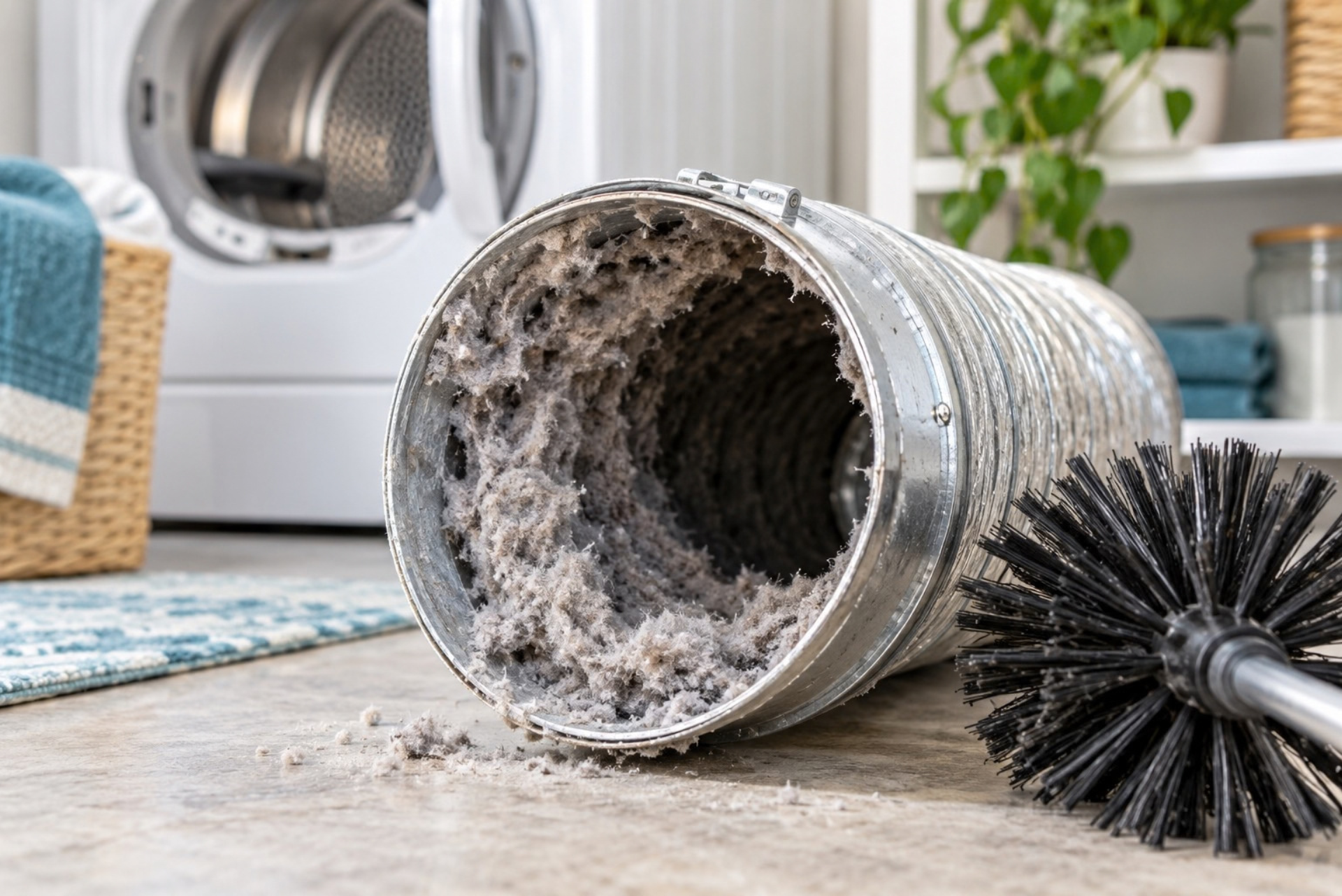
Hidden lint buildup, warning signs, and when to have your dryer vent cleaned.
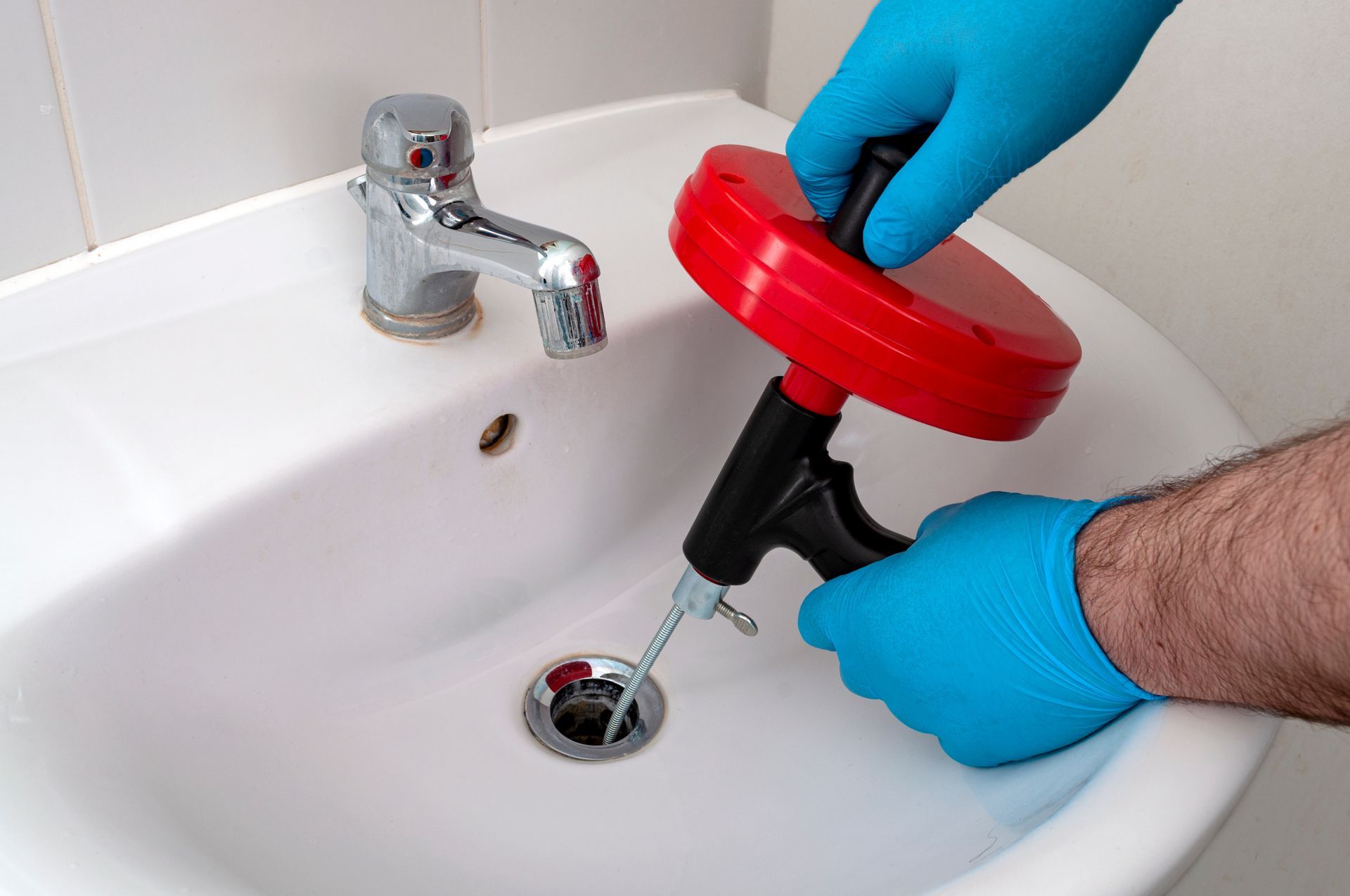
Learn how tree roots affect drain lines in Monument, CO. Home Heating Service, Inc. offers expert drain cleaning in Monument, CO. Call for a free quote today!
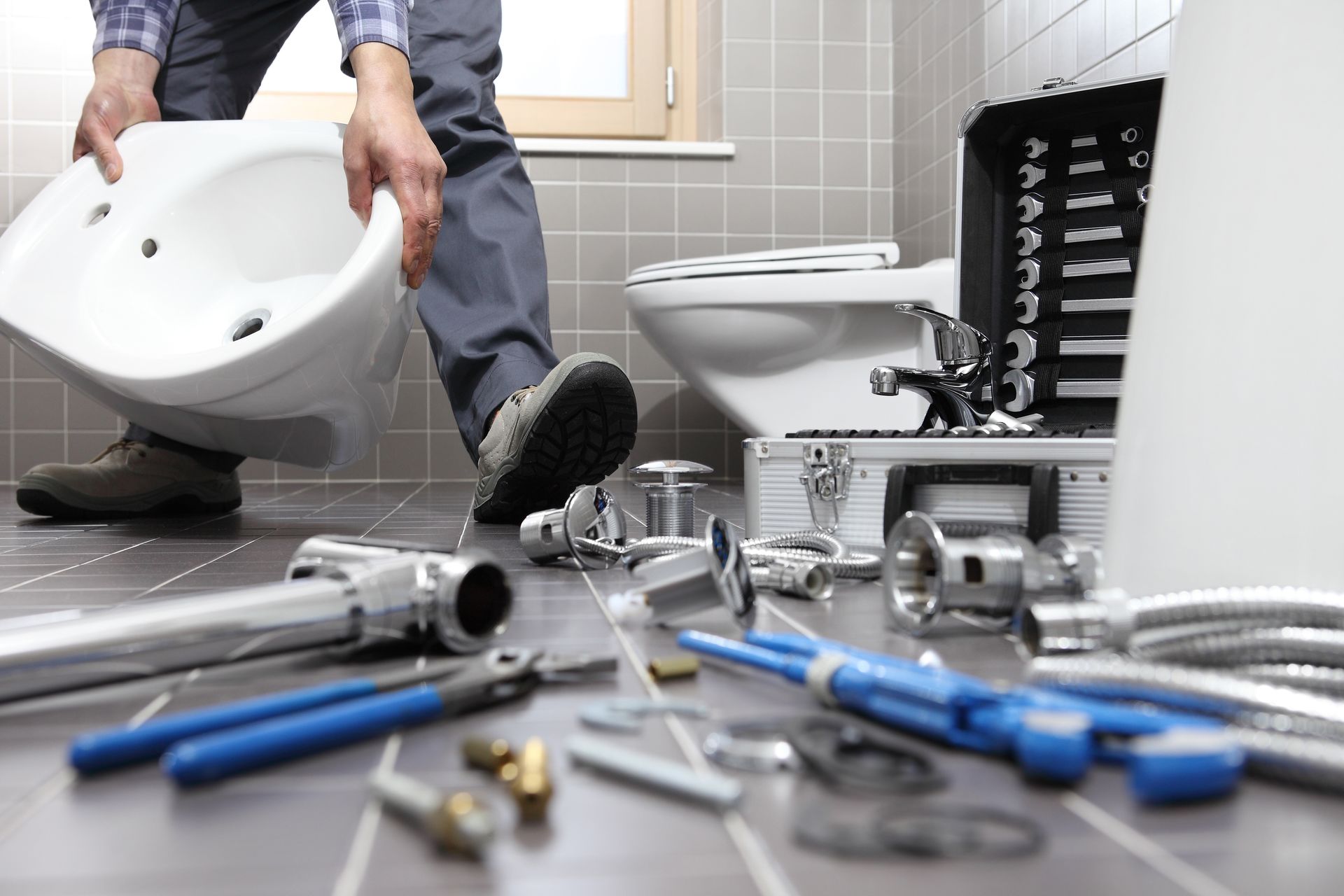
Learn what to expect from plumbing in Fountain, CO, near Fort Carson. Home Heating Service, Inc. offers licensed plumbers and fair pricing. Get a quote today.
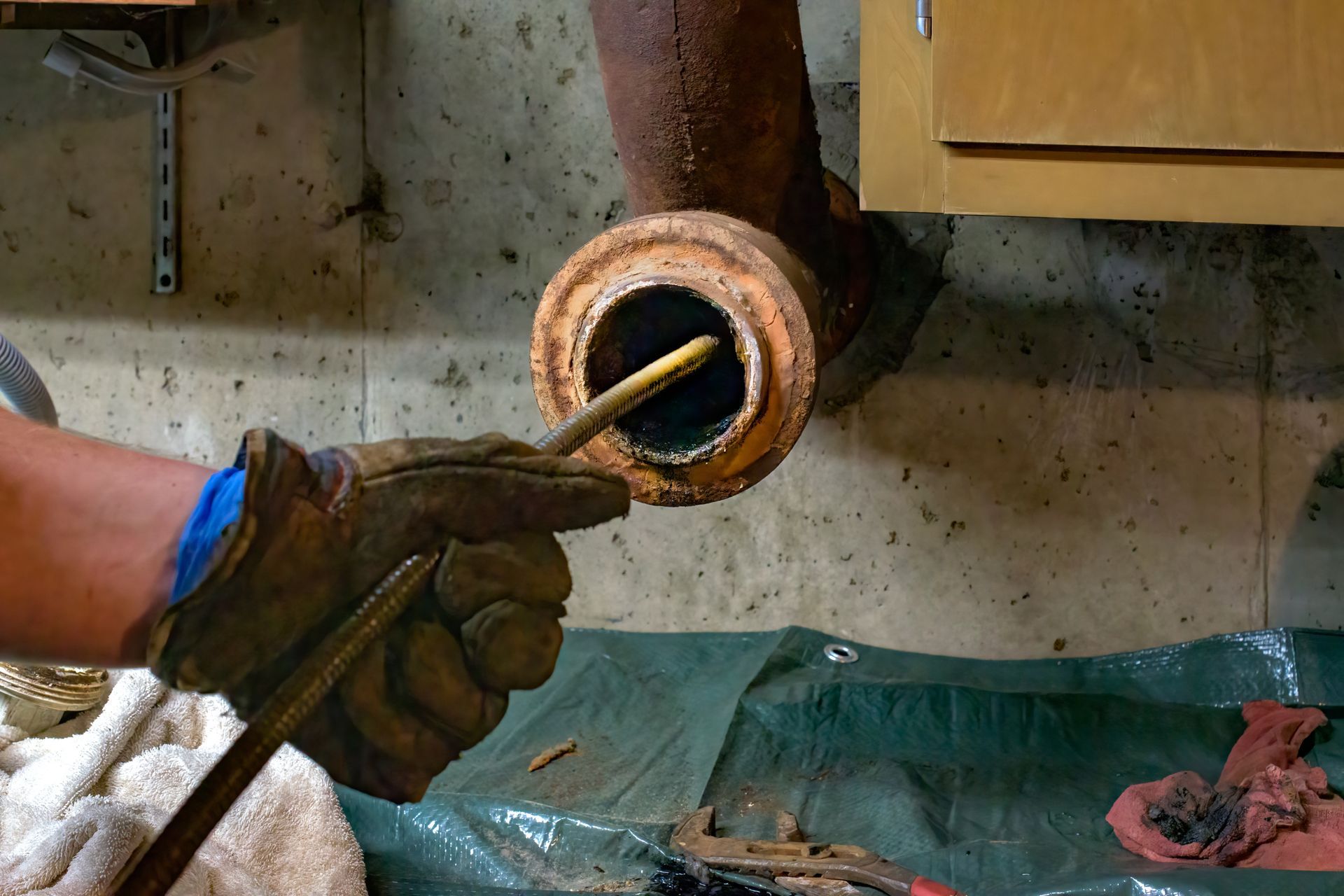
Hard water causes drain problems in Colorado Springs, CO. Home Heating Service Inc. provides expert drain cleaning in Colorado Springs, CO. Get a free quote.
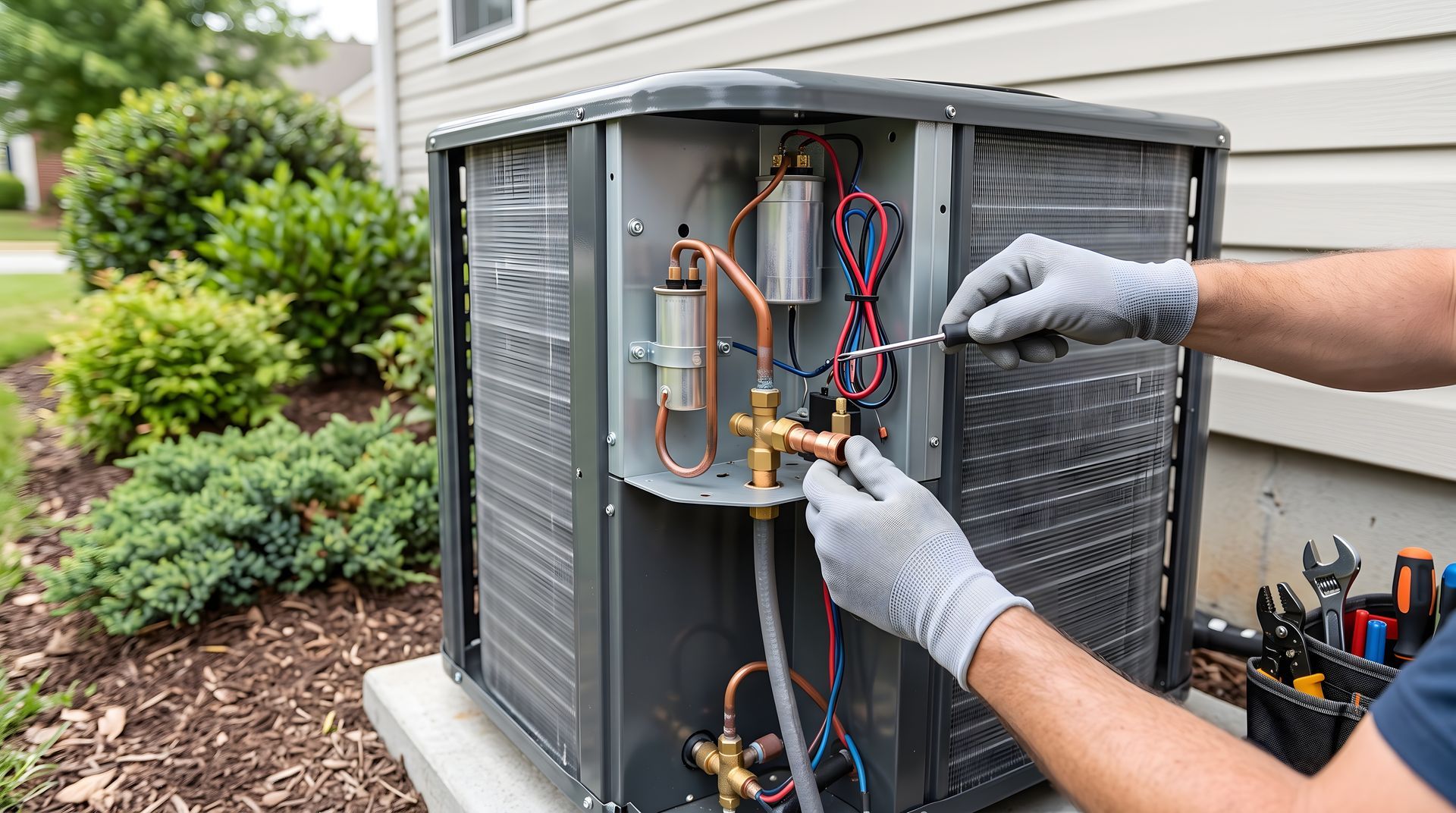
Monument, CO's 7,000 ft elevation cuts furnace BTUs and heat pump efficiency. Get expert HVAC services in Monument, CO from Home Heating Service. Free quotes.
How Energy Wise peak hours, pre-cooling and a few thermostat adjustments can help lower summer cooling costs.
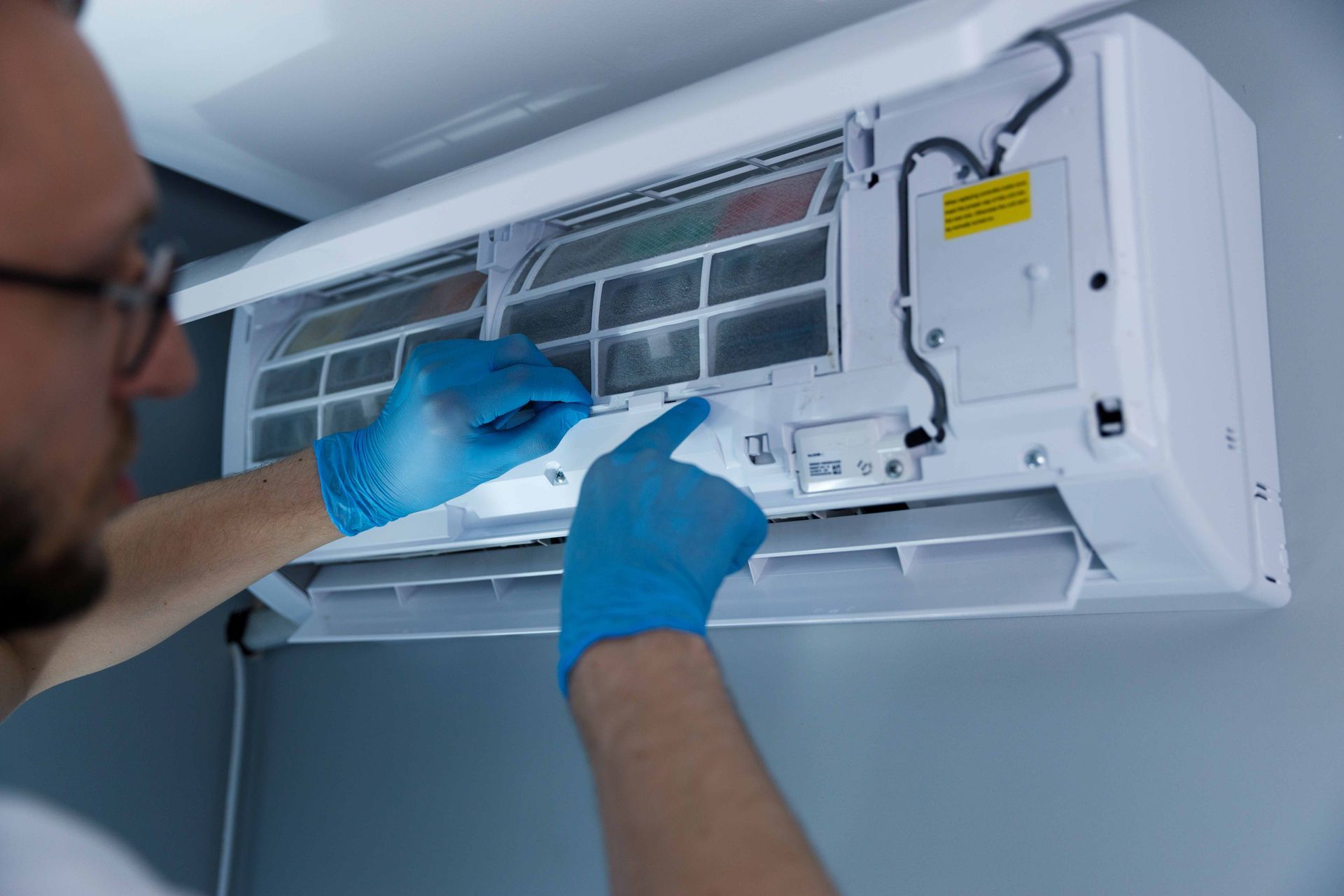
Weighing HVAC repair vs. replacement in Fountain, CO? Home Heating Service, Inc. helps you decide with a free estimate and flat-rate pricing. Call today.
Need Emergency AC Repair Services in Fountain, CO? Home Heating Service, Inc. offers 24/7 response. Follow these safety steps and call us now.
Need drain cleaning in Colorado Springs, CO? Home Heating Service, Inc. helps clear buildup fast. Call us at (719) 300-4807 today.
Tired of stubborn hard water issues? Learn practical plumbing tips in Colorado Springs, CO, from Home Heating Service, Inc. Click here for hassle-free help!






