Hard Water and Drain Cleaning in Colorado Springs, CO: What Homeowners Need to Know in 2026
Hard water and Colorado Springs drain problems go hand in hand, and every local homeowner benefits from understanding how they connect. Colorado Springs consistently tests among the harder municipal water supplies in the country, and that mineral-rich water flows through every pipe in your home every single day. For homeowners dealing with slow drains, recurring clogs, or gurgling pipes, the local water supply may be a bigger factor than many realize. Professional drain cleaning in Colorado Springs, CO, can address both the immediate blockage and the underlying mineral buildup driving it.
Why Is Colorado Springs Water So Hard?
Colorado Springs water picks up dissolved minerals as snowmelt travels through the Front Range's limestone and mineral-rich rock formations. By the time that water reaches your home, it carries a significant mineral load of calcium and magnesium. Monument, Fountain, and surrounding communities face the same challenge. Whether your home is in the Broadmoor area, Briargate, or Fountain, the mineral content arriving at your taps is substantially higher than in many other parts of the country. Scheduling drain cleaning in Colorado Springs, CO, is one of the most effective ways to stay ahead of that buildup..
How Does Mineral Buildup Cause Drain Problems?
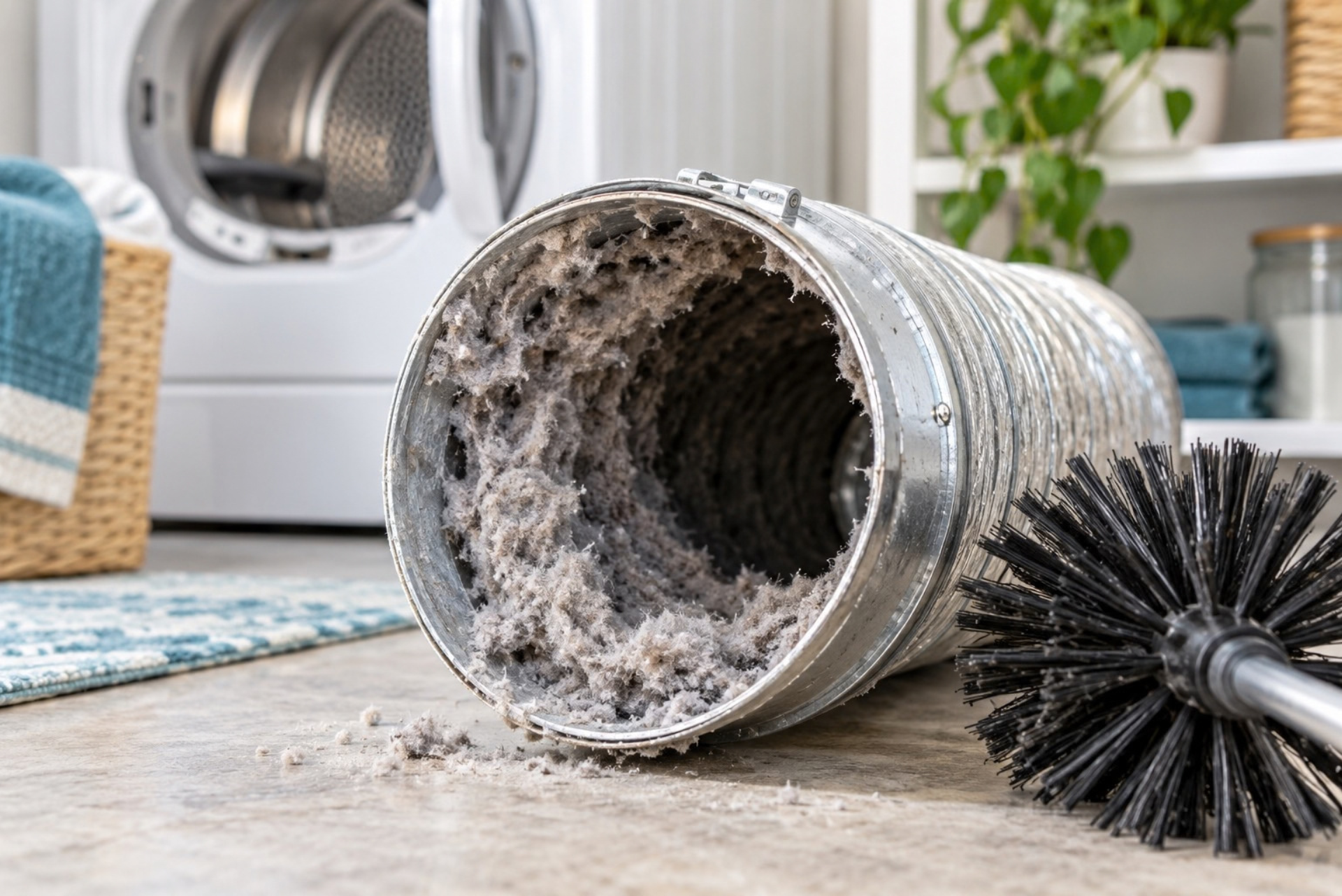
Hard water deposits, called scale, build up on the interior walls of drain pipes over time. That rough scale surface gives hair, soap scum, and grease something to grab onto, turning a gradual slowdown into a full clog much faster than it would occur in a soft-water home. A drain that would stay clear for years elsewhere can start running slow in Colorado Springs within months of a cleaning if scale buildup is significant. This is precisely why clearing a drain in Colorado Springs often needs to go beyond a simple snaking.
Kitchen drains face a compounded challenge. Grease and food debris combine with hard water minerals to create some of the most stubborn blockages. Colorado's dry climate means cooking fats solidify faster in pipes than in more humid environments, and mineral scale gives those fats even more surface area to adhere to.
Warning Signs Your Drains May Have Scale Buildup
Watch for these indicators that mineral buildup may be at work in your plumbing:
- Drains that slow down again shortly after being snaked or cleared.
- White or chalky residue visible around faucets, shower heads, or drain openings.
- Slow-draining sinks, bathtubs, or showers with accumulated debris inside the pipes.
- Foul odors from drains or gurgling noises indicating air trapped within the plumbing system.
The Freeze-Thaw Factor: A Colorado Springs Drain Risk
Colorado Springs winters add another layer of stress to an already mineral-challenged plumbing system. Rapid temperature drops and pipes located in crawl spaces, garages, and exterior walls produce conditions that lead to bursts and water damage when temperatures fall below zero. Drain lines are not immune. If a drain becomes obstructed and freezing occurs, pressure can build inside the system, potentially causing backups or sewage intrusion into the home.
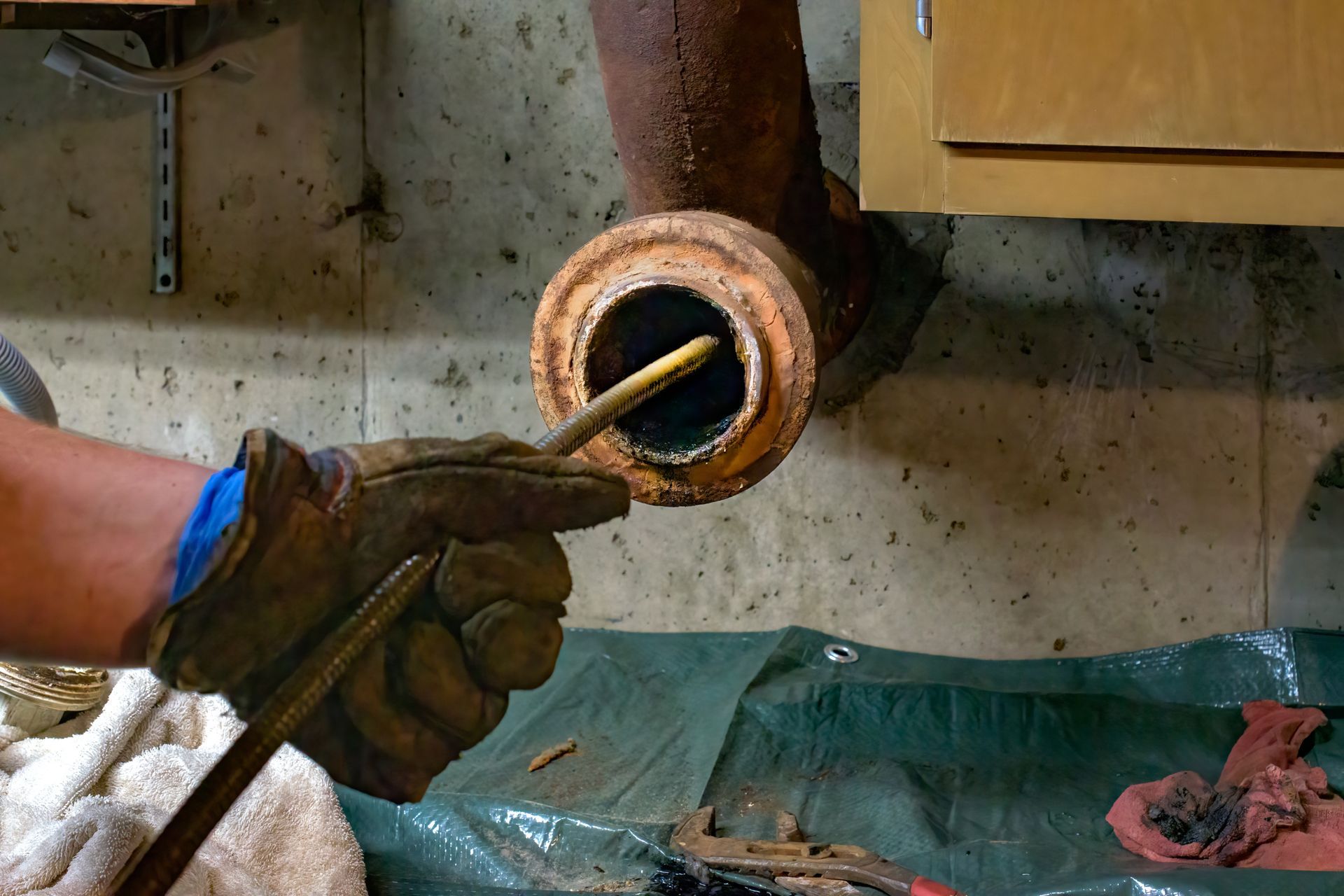
The combination of mineral scale and freeze-thaw stress is particularly harsh on older homes. Properties built before the 1980s often have cast-iron sewer lines, which corrode from the inside and narrow with age. Having those lines professionally cleared before winter arrives can reduce the likelihood of a freeze-related backup significantly.
DIY Prevention vs. Professional Drain Cleaning
Simple habits can slow mineral accumulation between professional visits. Running hot water through drains after each use, using a hair catcher in shower and tub drains, and avoiding pouring grease directly down the kitchen sink all help. Shutting off and draining exterior hose bibs and irrigation systems before deep freezes also reduces freeze-thaw risk.
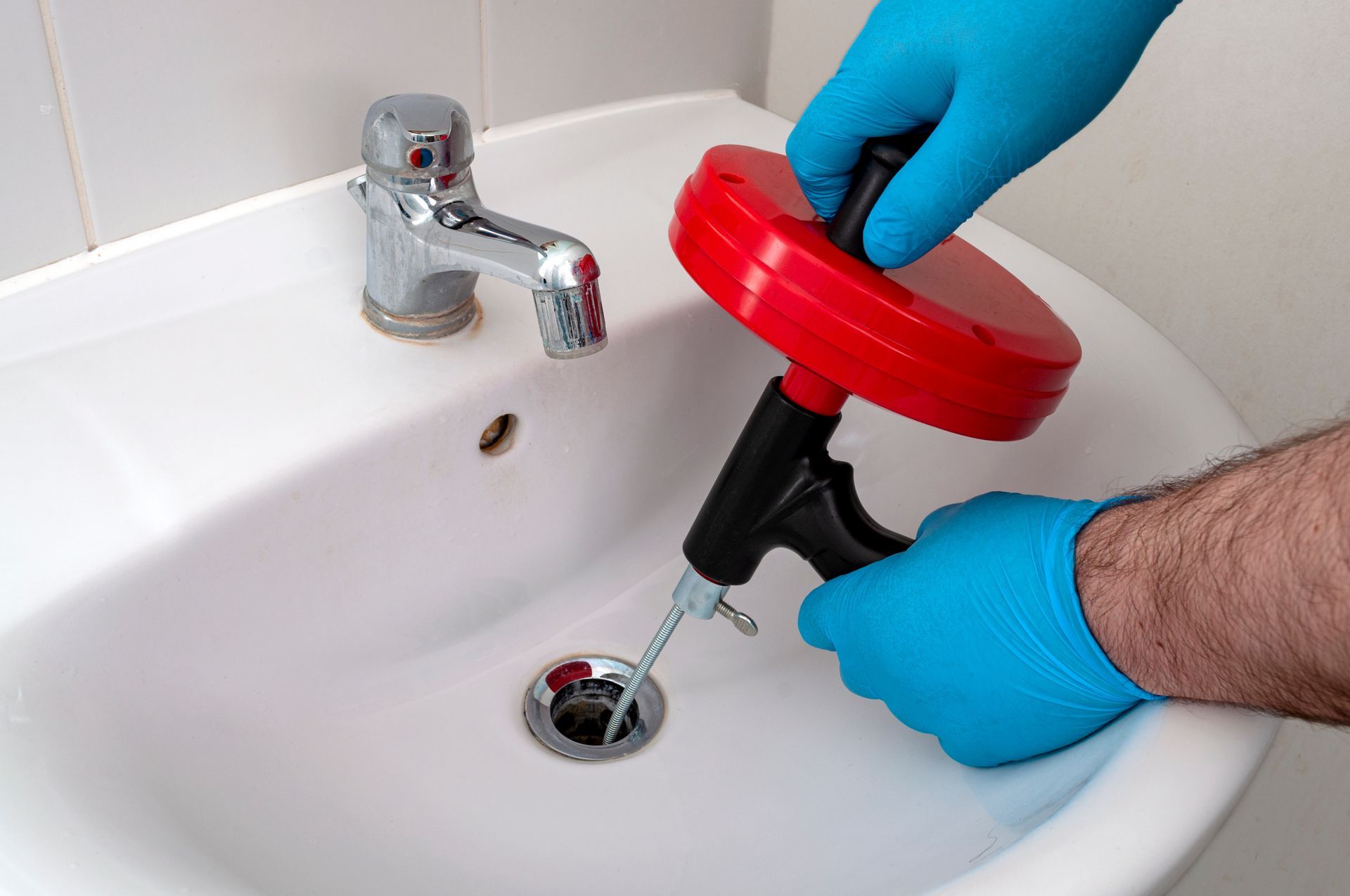
That said, DIY methods have real limits when scale is involved. Standard drain snaking removes the clog but leaves the mineral deposits that caused it. Without addressing the scale itself, clogs tend to return quickly. Professional equipment can scour the line far more thoroughly, removing the scale layer that gives future debris a place to collect.
When Is Hydro Jetting the Right Call?
Hydro jetting is appropriate when recurring clogs suggest scale buildup that a snake cannot fully clear. High-pressure water strips scale from pipe walls rather than simply punching through a clog. It is often the right choice for older homes, heavily used kitchen drain lines, or any drain that has been snaked multiple times without lasting results.
What Causes Drains to Slow Down After a Recent Cleaning?
Recurring slowdowns after cleaning almost always point to scale that was not fully removed. The roughened pipe walls trap new debris quickly, making it seem like the clog returned faster than it should. A drain camera inspection can confirm whether scale is the root cause and help determine the best long-term fix.
How Often Should Colorado Springs Homeowners Schedule Drain Cleaning?
Most local homes benefit from a professional drain service at least once per year. Homes with older metal pipes, heavy daily use, or a history of recurring clogs may need service more frequently. Scheduling a cleaning before winter also reduces freeze-related risk by keeping drain lines clear and flowing freely.
Take Action Before Small Clogs Become Bigger Problems
Slow drains rarely fix themselves, and in Colorado Springs the hard water environment means they tend to get worse over time. Water backups can lead to structural damage and unsanitary conditions if not addressed promptly. For reliable drain cleaning in Colorado Springs, CO, Home Heating Service, Inc. has been serving local homeowners since 1988. Call (719) 266-3351 or contact us online to schedule your service. You can also find the team listed locally at Colorado Springs, CO.