Defeat Hard Water at Home: Practical Plumbing Solutions for Homeowners
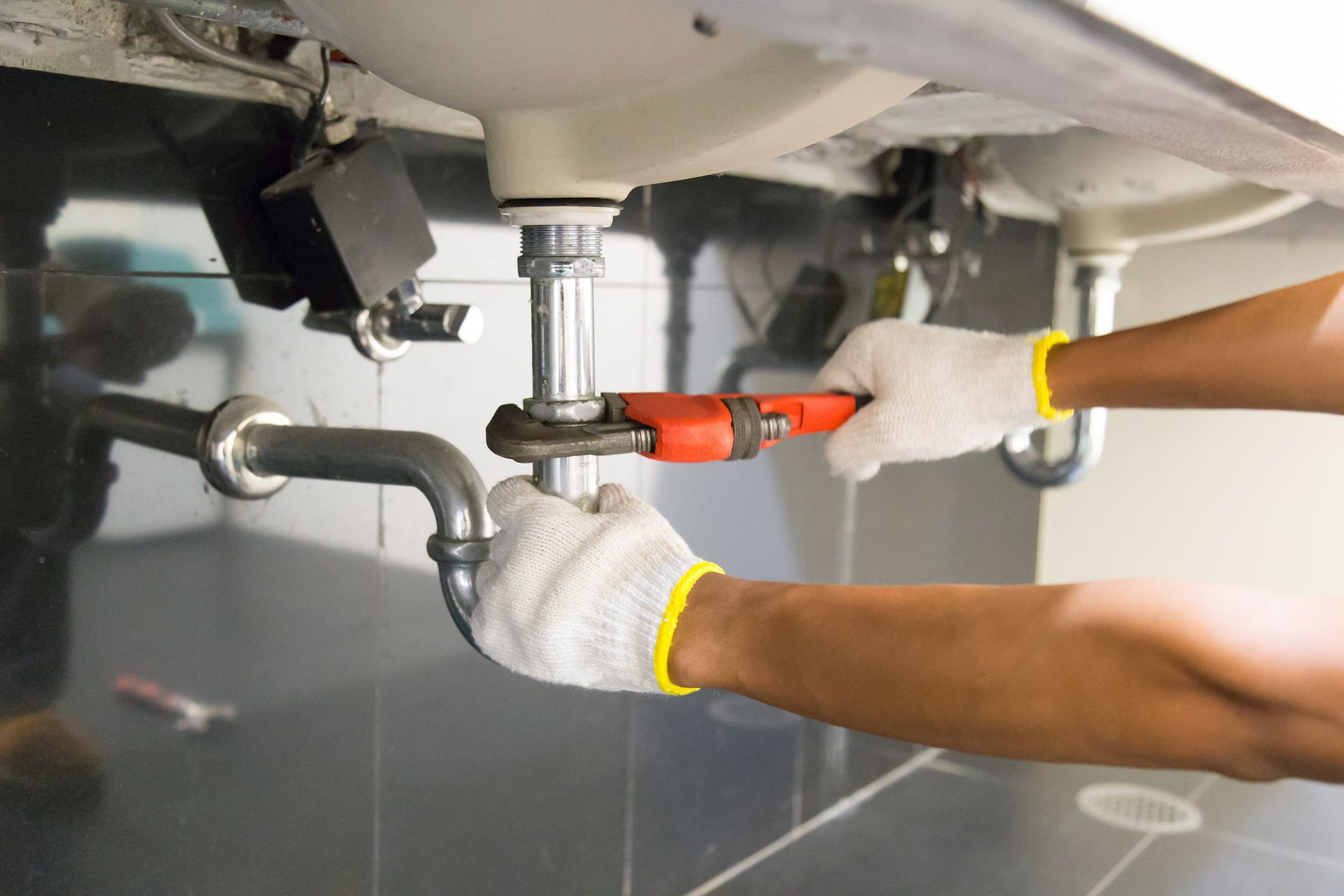
Hard water can make life at home less enjoyable, especially for Colorado Springs residents. At Home Heating Service, Inc., we get lots of calls about hard water damaging fixtures and making everyday tasks harder. If you need smarter plumbing in Colorado Springs, CO, you’re in the right place.
What Is Hard Water and Why Should You Care?
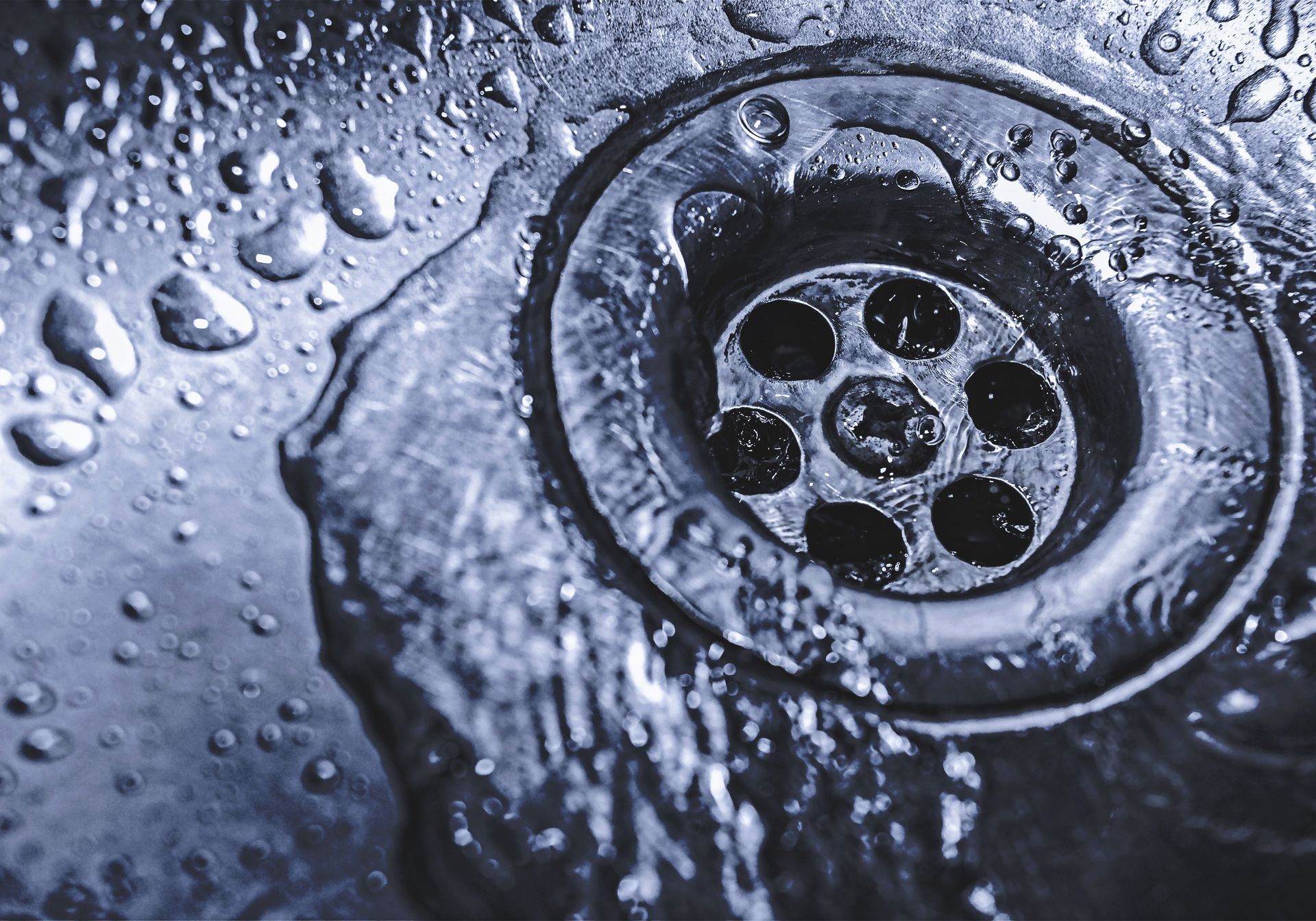
Hard water contains extra minerals like calcium and magnesium. This is common across Colorado Springs because the water comes from rivers and springs in the area. These minerals leave white spots on dishes and can make your skin or hair feel dry after a shower.
Ignoring hard water can create bigger problems for your home. Over time, it builds up inside pipes and appliances, causing clogs and reducing efficiency. If you have ever wondered why you keep replacing showerheads or why the dishwasher struggles, hard water could be the reason.
How Hard Water Affects Your Pipes and Appliances
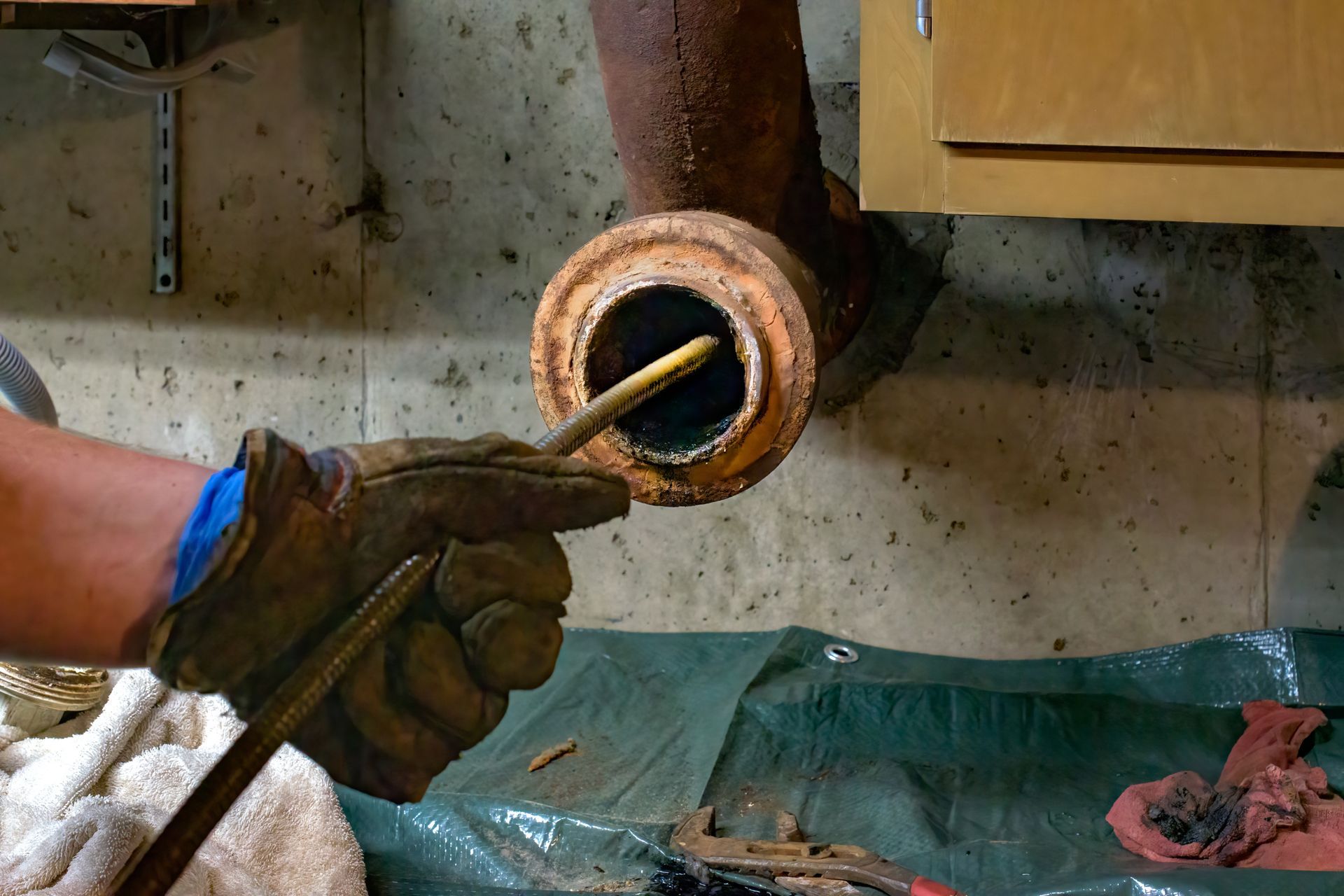
When minerals settle in your home’s plumbing, they form a crusty layer called scale. Scale clogs pipes, blocks faucets, and restricts water flow. This means your showers lose pressure or your washing machine takes longer to fill.
One area that suffers quickly is your water heater. Hard water makes it work harder because the layer of minerals acts as insulation. The heater needs more energy to warm the water, causing energy bills to climb. Even worse, scale can shorten the lifespan of your water heater because it overheats, cracks, or just stops working.
Local water in Colorado Springs is known for being harder than average, which is tough on pipe longevity. Metal pipes rust and break down faster when covered in mineral deposits. This can lead to leaks and costly plumbing bills.
Common Signs You Have Hard Water at Home
Not sure if hard water is an issue in your home? Here are signs to watch for:
- White, chalky stains on faucets or sinks.
- Water spots on glasses after washing.
- Dry, itchy skin and dull hair.
- Soap not lathering or rinsing off well.
- Reduced water pressure in showers or sinks.
- Appliances wearing out faster than expected.
If two or more happen at your place, it is smart to consider plumbing fixes.
Two Main Solutions: Water Softeners Versus Descalers
If you want to protect your plumbing and save money, there are two popular solutions: water softeners and descalers. Each choice has pluses and minuses.
Water Softeners
These systems use salt to trade hard minerals (like calcium and magnesium) for softer ones (like sodium). Water softeners are great at removing minerals that cause scale. They protect your pipes, make soaps and detergents work better, and even keep your water heater running longer.
What’s good about water softeners:
- Remove hard minerals almost completely.
- Help appliances last longer.
- Make cleaning easier.
- Feel better on skin and hair.
What to consider: Softeners need regular salt refills and sometimes cost more upfront. If anyone at home needs a low-sodium diet, talk to a plumber for advice.
Descalers
Descalers work in a different way. They use magnets or electricity to change mineral shapes, so they do not stick to your pipes as easily. Descalers do not remove minerals, which means water still feels hard, but they prevent scale buildup without needing salt or much maintenance.
Why some people pick descalers:
- No salt to add.
- Less ongoing work.
- Cost less over time.
- Eco-friendly for waste water.
What to consider: Descalers are not as thorough as softeners. Mineral stains may still appear on faucets and dishes. They are best for homes where water is only a little bit hard or for people who do not want a lot of maintenance.
How to Decide What’s Best for Your Home
Choosing between a water softener and descaler depends on your water’s hardness, your family’s needs, and your budget.
- Get Your Water Tested: This tells you how much calcium and magnesium are present. You can ask a plumber for help or use an easy test kit from a hardware store.
- Set Your Main Goals: Do you want soft water for your skin and better soap lather? Pick a softener. Want to simply prevent pipe problems with less work? Try a descaler.
- Think Long-Term: Softeners cost more at first but save on future pipe and water heater repairs. Descalers cost less and need less upkeep but may not solve all problems.
If you are not sure, calling a plumbing expert is a good next step.
Quick Tips to Defend Against Hard Water
Sometimes you need fast relief while you decide on a bigger fix. Try these simple steps:
- Clean faucets and showerheads with vinegar to remove white spots.
- Use a rinse aid in your dishwasher.
- Wipe sinks and tubs dry after use.
- Have your water heater flushed every year by a plumber.
Taking these small steps can help your water system and appliances last longer.
When to Call a Plumbing Expert
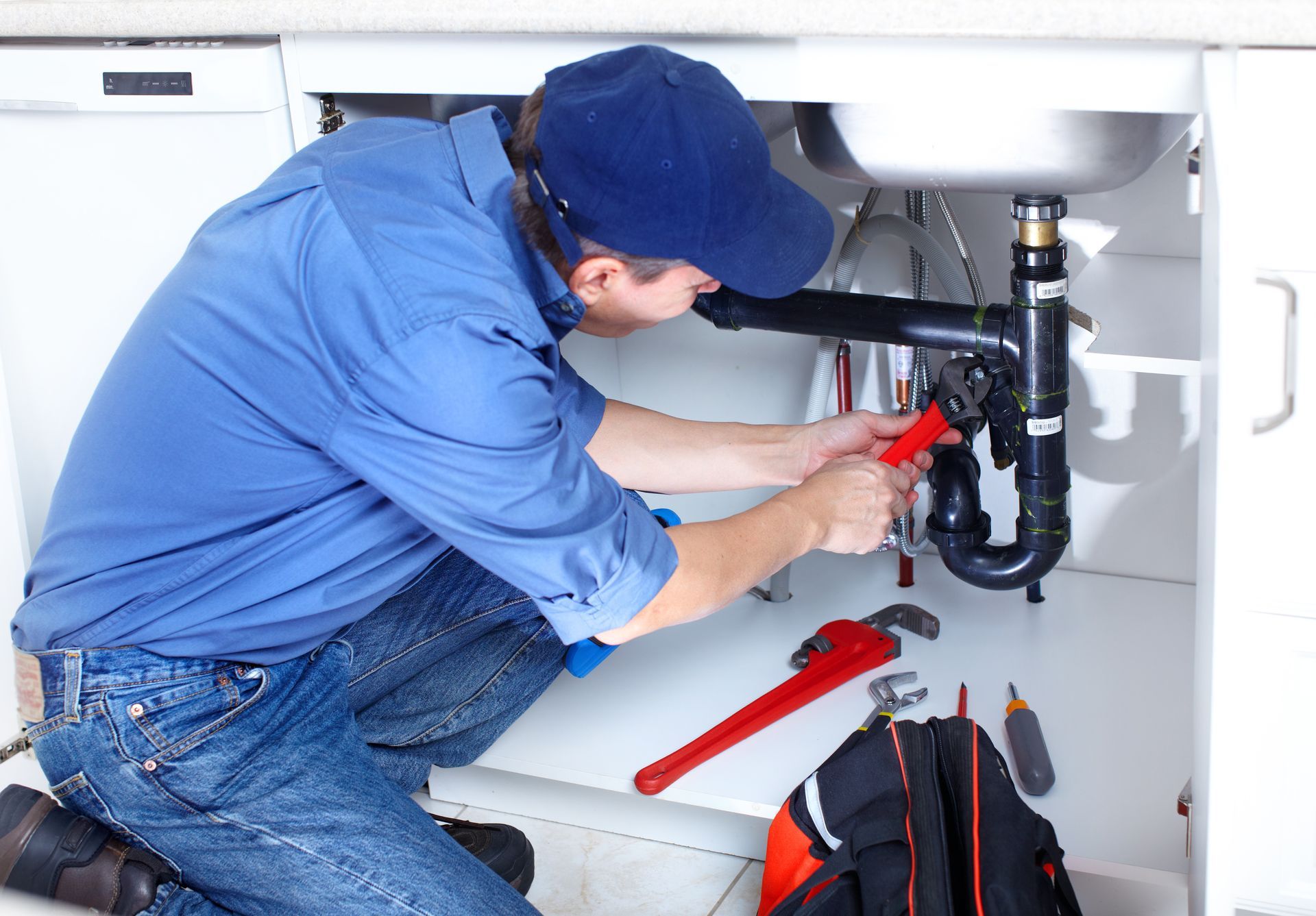
While there are things you can do yourself, sometimes the best answer is to call a plumber. If you notice lower water pressure, rusty water, or see leaks, it is time for help. Professionals can test your water, check your pipes, and install the best solution for your family.
Protect Your Home From Hard Water
Ready to protect your home and cut down on repairs? The team at Home Heating Service, Inc. knows exactly how to tackle hard water with the right plumbing solutions for Colorado Springs, CO. Contact us today for a water test or to discuss your options, and enjoy cleaner water and longer-lasting appliances!