5 Reasons Water Heating Requires Expert Plumber Services
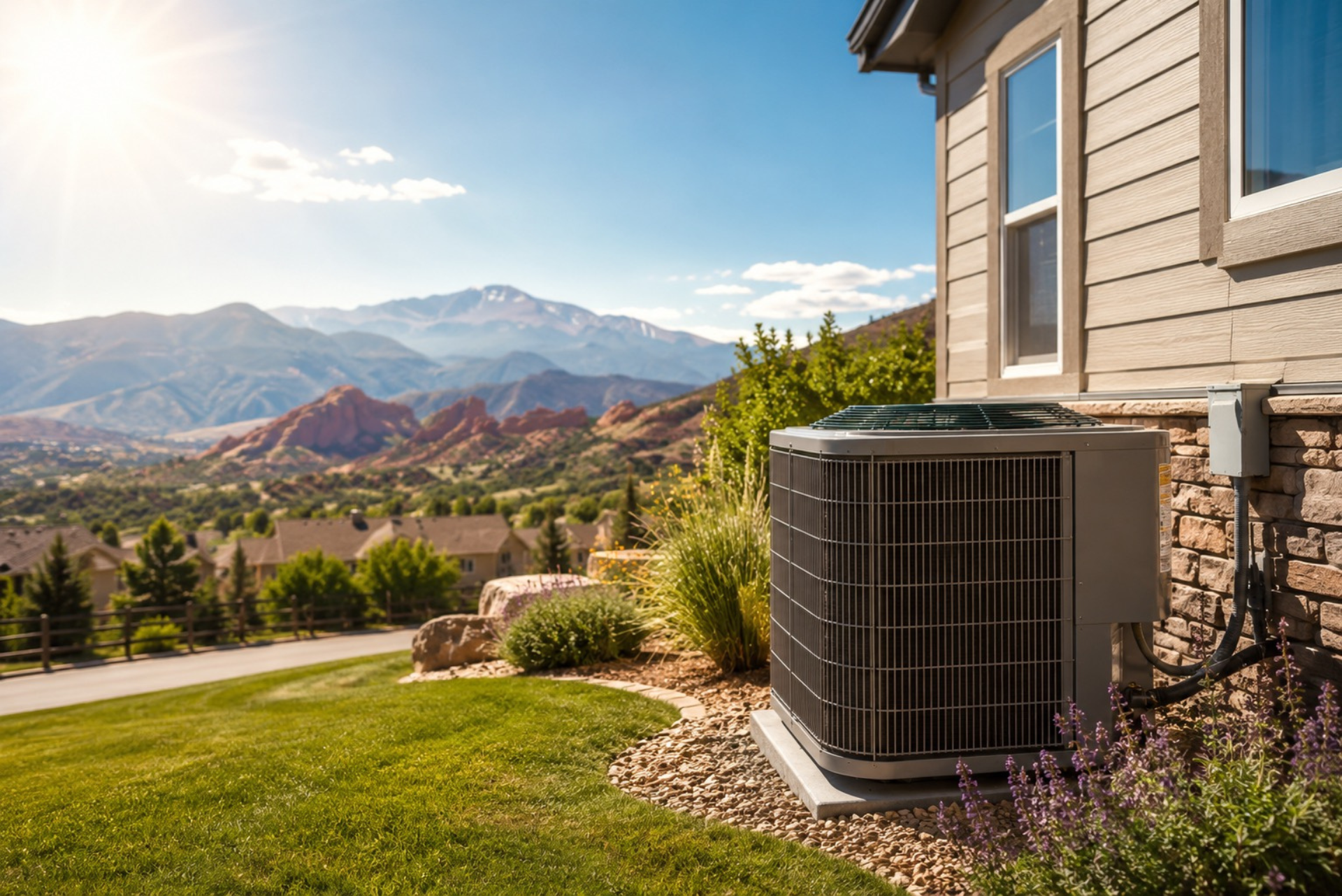
Living in the Pikes Peak region offers stunning views and a unique lifestyle, yet it presents specific challenges for home infrastructure that many residents overlook until a problem arises. When groundwater temperatures drop near freezing and the air becomes too thin for standard combustion, traditional water heating systems often struggle to keep up, leading to lukewarm showers and potential safety hazards like carbon monoxide buildup.
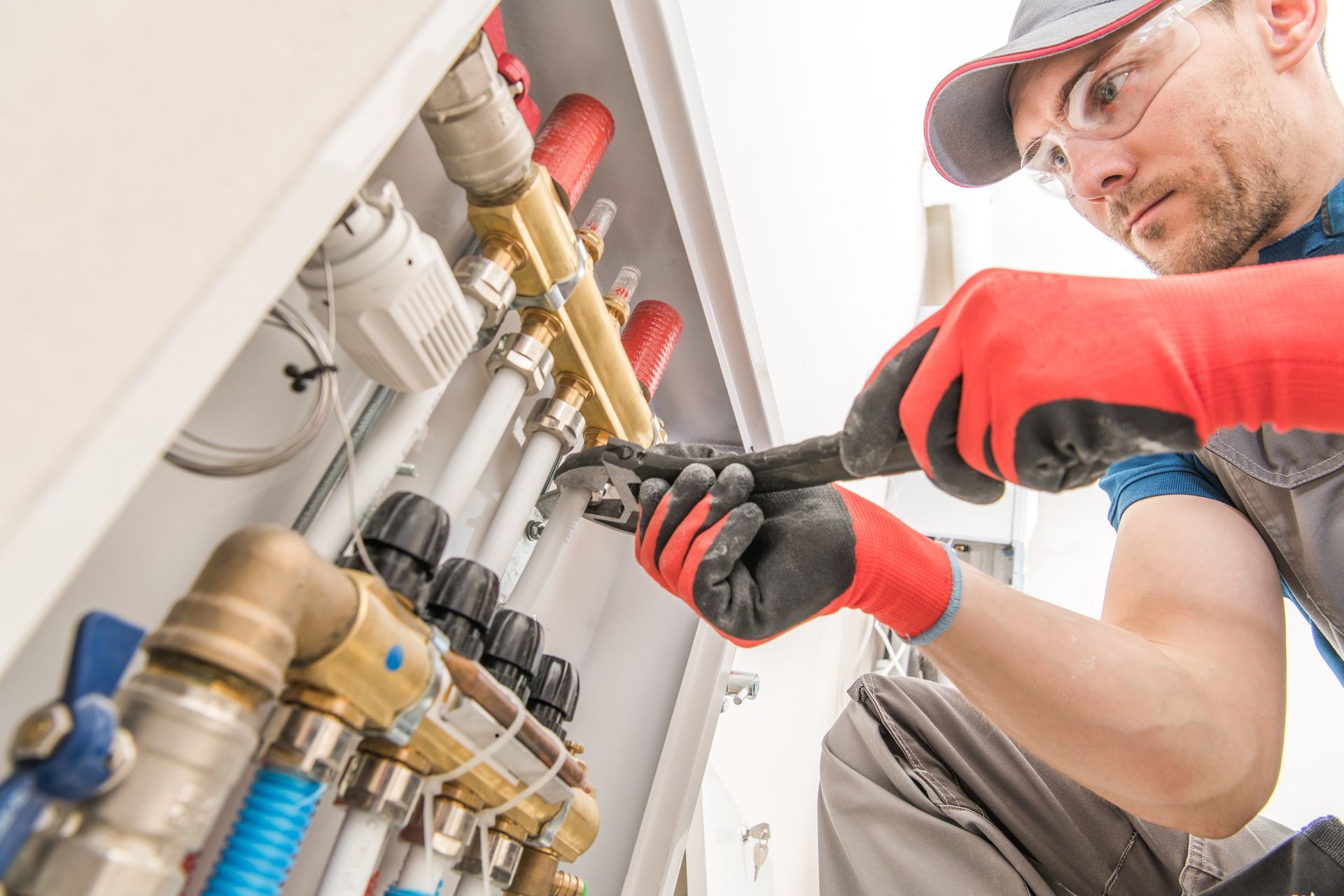
This inefficiency is not just an inconvenience but a sign that your system lacks the necessary high-altitude adjustments required for safe operation in our mountain environment. To ensure your home remains safe and comfortable regardless of the elevation, it is vital to understand how specialized services from a professional plumber can optimize your water heating system for peak performance.
These are 5 reasons high-altitude water heating requires specialized plumber services:
1. The Oxygen-To-Fuel Ratio Challenge at High Elevations
One of the most critical factors affecting gas-powered appliances in our region is the atmospheric pressure, which decreases significantly as elevation increases. At sea level, the air is dense with oxygen, allowing gas burners to mix fuel and air in a precise ratio for clean and efficient combustion. However, in Colorado Springs, the air is much thinner, meaning there is less oxygen available for every cubic foot of air drawn into the water heater. If a standard gas water heater is installed without proper modification, the burner will continue to push the same amount of gas while receiving insufficient oxygen, resulting in an improper oxygen-to-fuel ratio.
This imbalance leads to incomplete combustion, a dangerous condition where the burner produces soot and, more critically, carbon monoxide instead of harmless carbon dioxide and water vapor. Incomplete combustion not only poses a severe health risk to your family but also drastically reduces the efficiency of the unit, causing it to consume more fuel while delivering less heat. Professional technicians must adjust the gas pressure or install specific high-altitude kits that restrict gas flow to match the available oxygen, ensuring the flame burns blue and clean rather than yellow and sooty. Ignoring these necessary adjustments can void manufacturer warranties and create life-threatening situations within the home, which is why finding a qualified plumber is essential for initial installations and retrofits.
2. Impact of Cold Groundwater on System Recovery
When comparing water heating options, homeowners must consider how incoming water temperature impacts system performance, especially during our harsh winters. Groundwater in Colorado Springs can become exceptionally cold, sometimes nearing freezing temperatures, which forces water heaters to work much harder to raise the water to a comfortable setting. Traditional tank-style heaters store a finite amount of hot water, and once this reserve is depleted, residents must wait for the tank to refill and reheat. This recovery process slows down considerably when the incoming water is icy cold, often leaving families without hot water during peak usage times.
In contrast, high-efficiency tankless models offer a distinct advantage by providing endless hot water on demand, provided they are correctly sized and adjusted for altitude. While it is true that tankless units experience a reduction in maximum flow rate at higher elevations due to the reduced oxygen availability for combustion, modern high-altitude rated models are engineered to compensate for these conditions.
3. Derating Factors and Equipment Selection
Selecting the right equipment involves understanding derating factors, which describe how much capacity a unit loses as elevation increases. Most manufacturers specify that gas appliances lose a certain percentage of their BTU output for every 1,000 feet above sea level. Consequently, a water heater that works perfectly in Denver might be severely underpowered in higher communities like Woodland Park or Manitou Springs. A knowledgeable plumber will calculate these losses accurately to recommend a unit with sufficient capacity to meet household demands even after the altitude penalty is applied.
Furthermore, not all tankless models are created equal regarding high-altitude tolerance. Some units come with built-in sensors that automatically adjust the fan speed and gas valve to maintain the correct mixture, while others require manual intervention or external kits. Choosing a model with robust altitude compensation features ensures consistent water temperatures and prevents the system from shutting down due to safety errors.
4. Venting Requirements and Carbon Monoxide Safety
Proper venting is another crucial aspect of high-altitude water heating that differs significantly from sea-level installations. Because the air is thinner, natural draft venting systems may not create enough suction to pull combustion gases out of the home effectively. This can lead to backdrafting, where dangerous exhaust gases are pulled back into the living space instead of being expelled outside. To combat this, many modern high-efficiency units utilize sealed combustion and powered venting systems that actively push exhaust out through PVC piping, eliminating reliance on natural air density differences.
Regular inspection of these venting systems by an experienced plumber is vital to ensure they remain clear of obstructions like snow, ice, or bird nests, which are common issues in mountain climates. A professional assessment can identify potential venting failures before they become hazardous, ensuring that your plumbing infrastructure remains safe and compliant with local codes. Additionally, installing carbon monoxide detectors near sleeping areas and water heating appliances provides an extra layer of protection for your household.
5. Long-Term Efficiency and Maintenance Needs
Finally, maintaining efficiency over the long term requires proactive care tailored to high-altitude conditions. Mineral buildup from local water sources can further impede heat exchange efficiency, compounding the challenges posed by thin air and cold groundwater. Plumbers can flush the system, check venting for proper draft, and inspect burners for signs of soot or corrosion that indicate combustion issues. By addressing these factors proactively, homeowners can extend the lifespan of their water heaters and avoid costly emergency repairs during the coldest months. Regular maintenance also ensures that the oxygen-to-fuel ratio remains optimized as components wear over time, preserving both safety and energy savings.
Contact Home Heating Service, Inc. For Expert Solutions
For residents seeking reliable solutions tailored to the unique demands of the Pikes Peak region, trusting experienced local professionals is the best path forward. Call Home Heating Service, Inc. at (719) 300-4793 today to schedule a comprehensive consultation or service appointment with our experienced plumbers in Colorado Springs, CO, ensuring your water heating system is optimized for safety and efficiency at high altitudes.