5 Red Flags Your Furnace Is Failing in Colorado Springs (And What to Do Next)
Sydney Bagby • December 15, 2025
How to spot early warning signs, avoid a no-heat emergency, and know when to schedule a diagnostic

When it’s cold in Colorado Springs, your furnace isn’t just a convenience—it’s part of what makes your home feel safe. And if you’ve started noticing little changes (a new noise, a cold room that won’t warm up, a higher bill), it’s normal to wonder: Is my furnace starting to fail?
You don’t need to guess—and you definitely don’t need to panic. Most heating systems give warning signs before they stop working altogether. The key is knowing what to look for and what to do next so you can stay comfortable and avoid a last-minute scramble.
At Home Heating Service, we’re a family-owned, owner-involved team that believes in honest, pressure-free help—clear recommendations, clear pricing, and no upselling. Here are five red flags to watch for, plus the next steps that make sense for your home.
Quick safety note (before anything else)
If your carbon monoxide (CO) alarm goes off, treat it seriously: get everyone outside and call emergency services. If you smell gas (a strong “rotten egg” smell), leave the home and contact your gas utility right away.
For everything else below, the goal is simple: spot trouble early and schedule a diagnostic before it becomes a no-heat situation.
Red Flag #1: Your furnace is blowing cool or lukewarm air
What you’ll notice
- The air coming from your vents feels cool, or not as warm as it used to
- Your thermostat says it’s heating, but the house isn’t getting comfortable
What it could mean
This can happen for a number of reasons—some small, some more serious. It may be airflow-related (like a dirty filter), thermostat settings, or a heating component that’s not working the way it should.
What you can check safely
- Thermostat: set to “Heat,” and set point is a few degrees above room temperature
- Vents/registers: open and not blocked
- Furnace filter: if it looks dirty or you can’t remember the last time it was changed, replace it
What to do next
If replacing the filter and checking settings doesn’t help, it’s time to schedule a furnace diagnostic. Catching this early can prevent bigger repairs later.
Red Flag #2: New or unusual noises (rattling, banging, squealing, booming)
What you’ll notice
- Rattling or vibrating sounds
- A loud bang when the furnace turns on
- Squealing or screeching
- A “boom” sound at ignition
What it could mean
Noises can signal anything from a loose panel to airflow issues, worn components, or ignition-related problems. The exact cause matters—and guessing can lead to replacing the wrong part.
What you can check safely
- Make sure the furnace access panel is secure (don’t remove internal panels)
- Replace your filter (restricted airflow can contribute to stress and noise)
- Listen for patterns: only at startup? only when the fan runs?
What to do next
Schedule a diagnostic—especially if the noise is getting worse or happening every cycle. A calm, thorough inspection is the best way to protect your system and your budget.
Red Flag #3: Short cycling (your furnace turns on and off frequently)
What you’ll notice
- The furnace starts, runs briefly, then shuts off—repeating often
- The home never quite reaches a comfortable temperature
- You hear frequent “start/stop” behavior
What it could mean
Short cycling can be caused by airflow restrictions, thermostat problems, or system components that need attention. It can also increase wear on your furnace over time.
What you can check safely
- Replace the furnace filter (again, it’s a common culprit)
- Ensure vents are open and unobstructed
- Make sure the thermostat isn’t near drafts, direct sunlight, or a heat source
What to do next
Short cycling is one of those issues that’s easy to ignore—until it becomes a breakdown. A diagnostic now can often prevent a bigger (and more stressful) failure later.
Red Flag #4: Uneven heat or weak airflow (cold rooms, stuffy rooms, “one side of the house is freezing”)
What you’ll notice
- One room is always colder than the rest
- Airflow feels weak from certain vents
- The furnace runs a lot, but comfort still feels inconsistent
What it could mean
This may point to airflow and distribution issues (filters, ductwork, blower performance), or system sizing/efficiency challenges. Colorado Springs homes also vary widely in insulation, layout, and duct condition—so it’s worth diagnosing properly rather than guessing.
What you can check safely
- Replace filter
- Check that supply vents are open and return vents aren’t blocked
- If you have multiple returns, confirm nothing is covered
What to do next
Schedule a diagnostic with a team that will explain what they see in plain language. Home Heating Service is built around homeowner education and clear options—not pressure .
Red Flag #5: Smells, soot, or recurring “something feels off”
What you’ll notice
- A burning smell that doesn’t go away after a short period
- Musty odors when the heat turns on
- More dust than usual
- Soot-like residue near vents or around the furnace area
What it could mean
Some smells are normal for a moment at the start of the season, but persistent odors deserve attention. Musty smells may relate to moisture or airflow issues. Burning smells can signal overheating or electrical problems.
What you can check safely
- Replace the filter
- Make sure nothing is stored too close to the furnace
- Note when the smell happens (only at startup vs. constantly)
What to do next
Schedule a diagnostic. When it comes to heating, it’s always better to be cautious—especially if comfort or safety feels uncertain.
Repair vs. Replace: How to decide what makes sense (without pressure)
If your furnace is acting up, it’s natural to worry that someone will jump straight to “you need a new system.” That’s not how we work. Our job is to diagnose honestly and help you make the decision that fits your home and budget—no upselling, ever.
Here’s a simple homeowner-friendly way to think about it:
1. How old is the furnace?
- Under ~10 years: often worth repairing if the system is otherwise in good shape
- 10–15 years: depends on repair history and how well it’s keeping up
- 15+ years: it may be wise to start planning ahead so you aren’t forced into a decision during the coldest week of the year
2. Has it needed multiple repairs recently?
One repair is one thing. A pattern is another. Frequent issues can mean the system is becoming less reliable.
3. Is your home staying comfortable and consistent?
If you’re constantly battling cold rooms, weak airflow, or nonstop cycling, a repair might not fully solve the bigger comfort problem.
A diagnostic gives you clarity: what’s happening, what it will take to fix it, and what options make sense—so you can choose confidently.
A simple “what to do next” checklist
If you suspect your furnace is failing, here are the next best steps:
- Replace your furnace filter if it’s dirty or overdue
- Take note of the symptoms (noise type, odor, airflow, cycling behavior)
- Schedule a furnace diagnostic before it becomes a no-heat situation
- Ask questions—good service should feel clear, calm, and respectful
If you’re seeing any of these red flags, we’d be glad to take a look and walk you through what we find—plain language, transparent pricing, and no pressure .
CALL TO SCHEDULE OR BOOK ONLINE
And if you want fewer Colorado Springs winter surprises year after year, ask about Comfort Club—our prevention-focused plan designed to help you stay ahead of issues with priority scheduling and seasonal checks.
FAQs (for quick peace of mind)
Q: How often should I change my furnace filter?
Most homes do well with every 1–3 months, depending on pets, allergies, and usage. If it looks dirty, change it.
Q: Is one strange noise always a big problem?
Not always—but it’s worth paying attention to patterns. New, repeating noises are your system asking for help.
Q: What’s the best way to avoid furnace breakdowns in winter?
Pre-season maintenance and filter changes go a long way. Prevention is usually less stressful (and often less expensive) than a last-minute repair .
Questions?
Our team is just a call or click away—neighbors helping neighbors, since 1988.
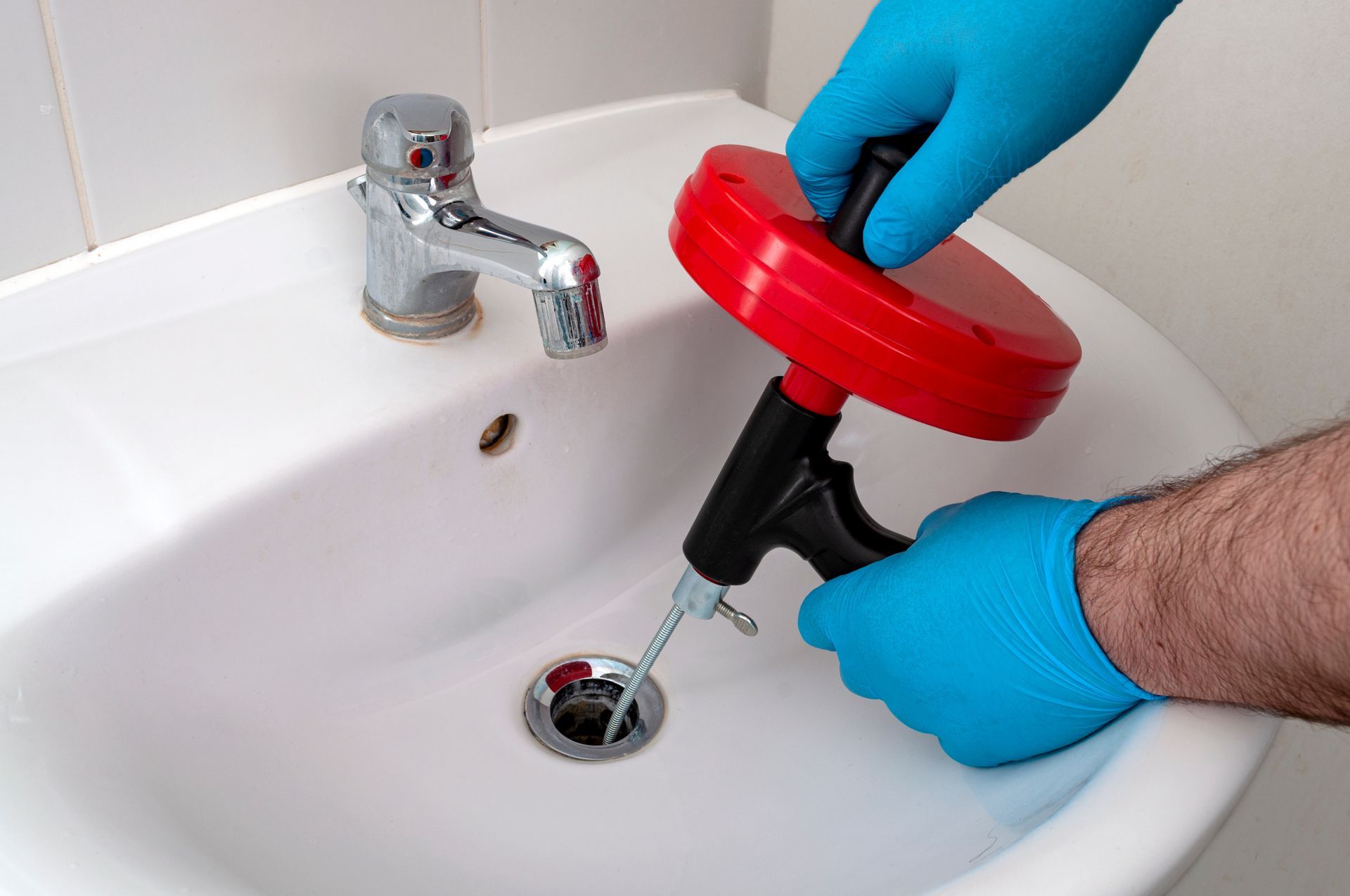
Learn how tree roots affect drain lines in Monument, CO. Home Heating Service, Inc. offers expert drain cleaning in Monument, CO. Call for a free quote today!
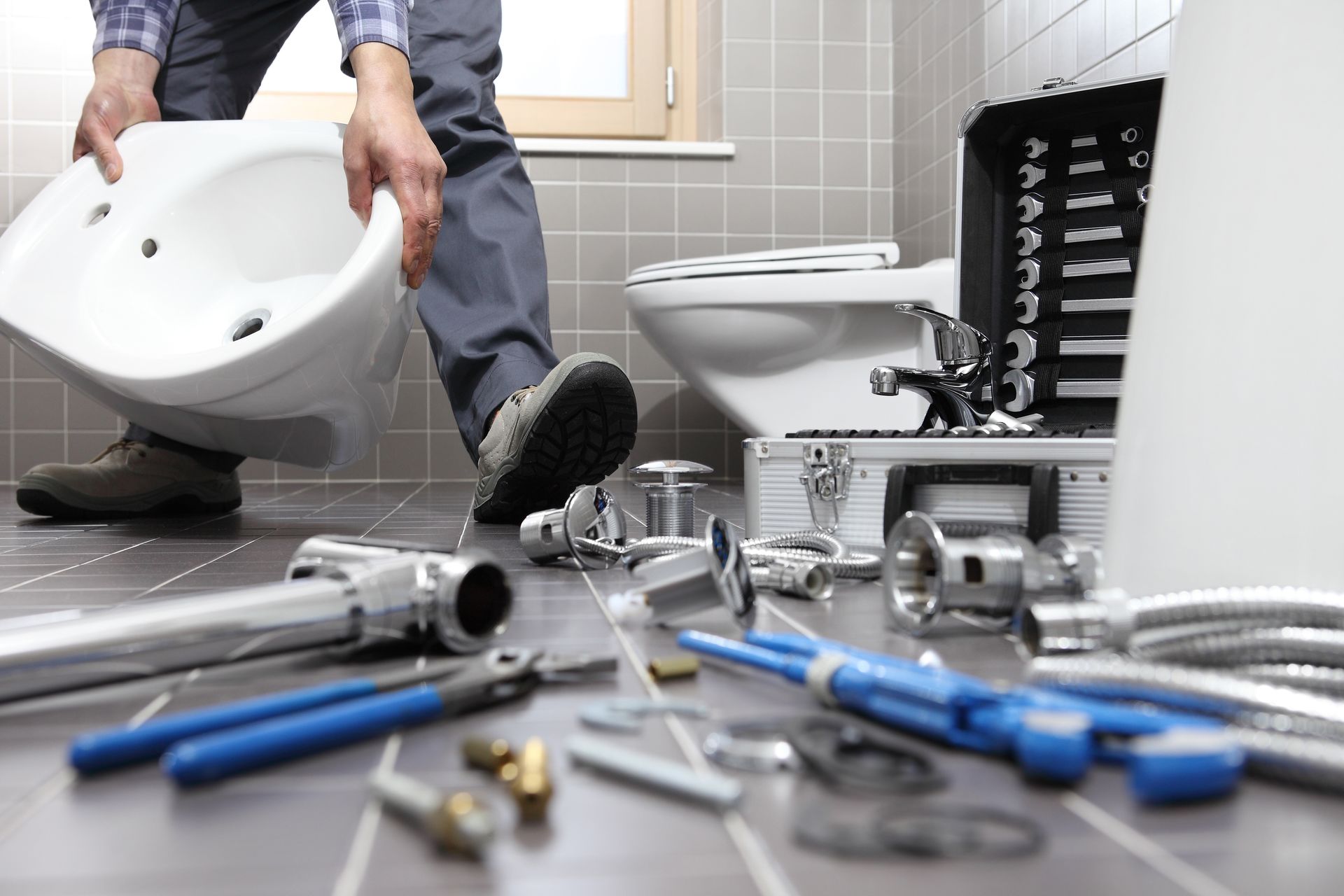
Learn what to expect from plumbing in Fountain, CO, near Fort Carson. Home Heating Service, Inc. offers licensed plumbers and fair pricing. Get a quote today.
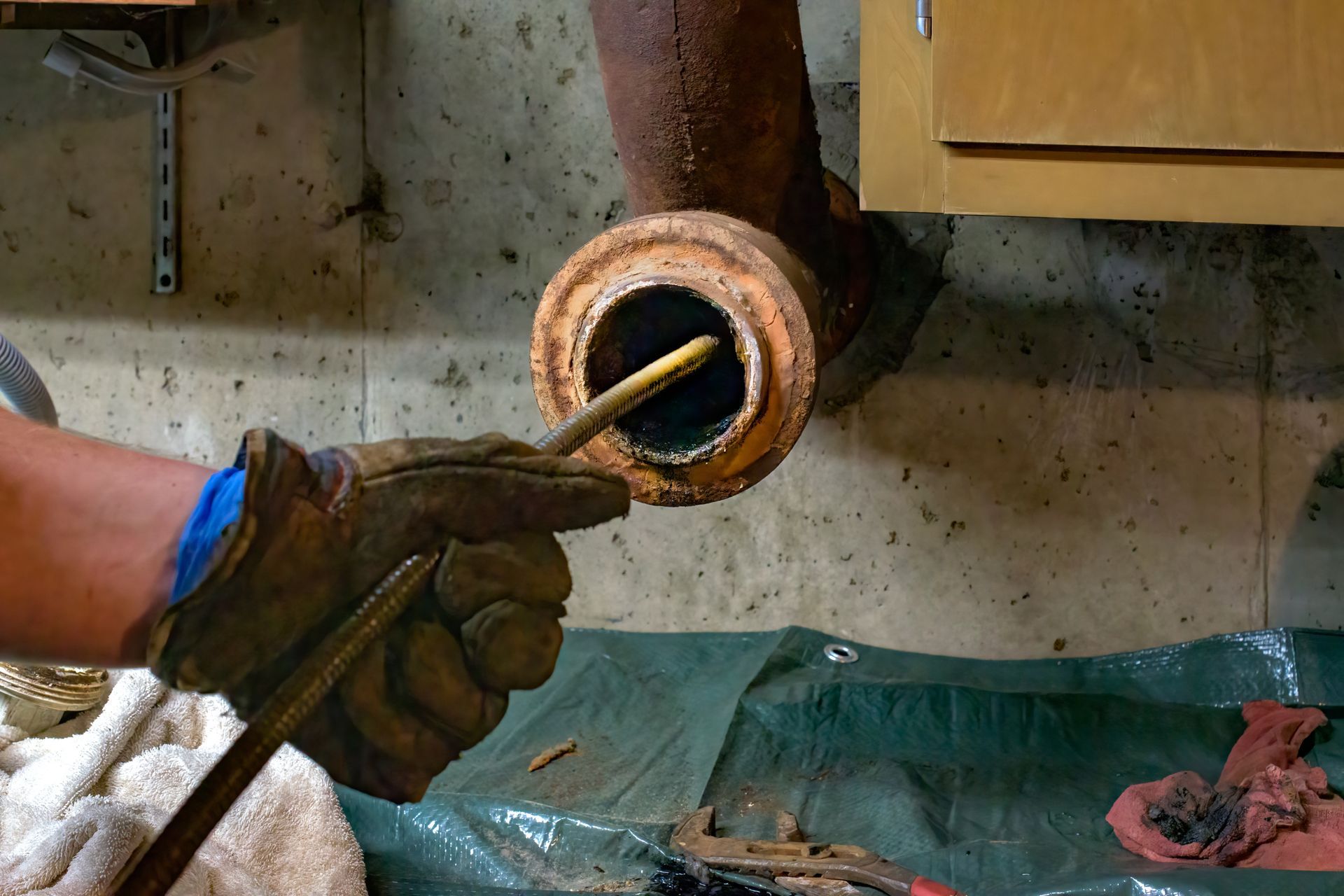
Hard water causes drain problems in Colorado Springs, CO. Home Heating Service Inc. provides expert drain cleaning in Colorado Springs, CO. Get a free quote.
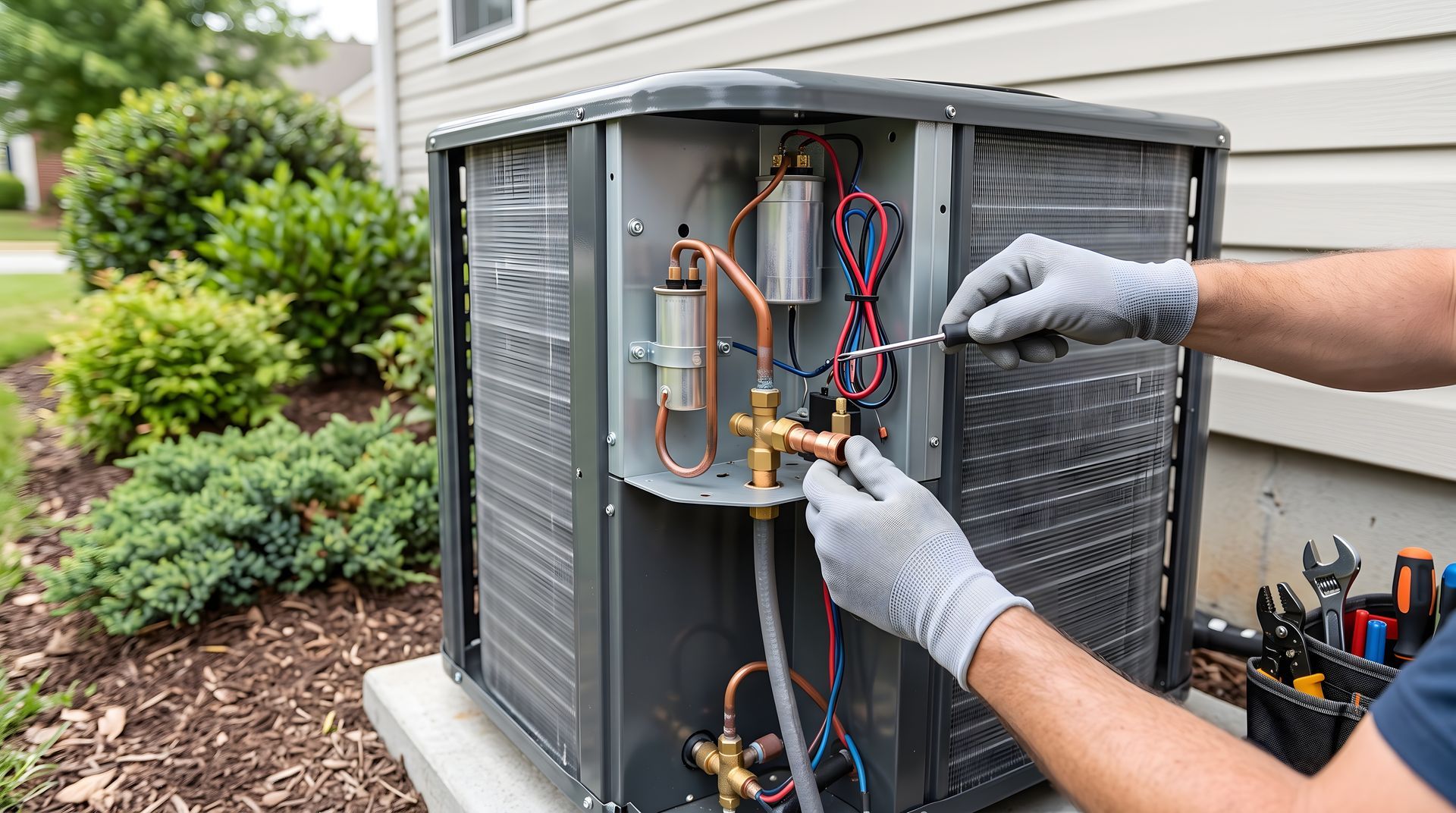
Monument, CO's 7,000 ft elevation cuts furnace BTUs and heat pump efficiency. Get expert HVAC services in Monument, CO from Home Heating Service. Free quotes.
How Energy Wise peak hours, pre-cooling and a few thermostat adjustments can help lower summer cooling costs.
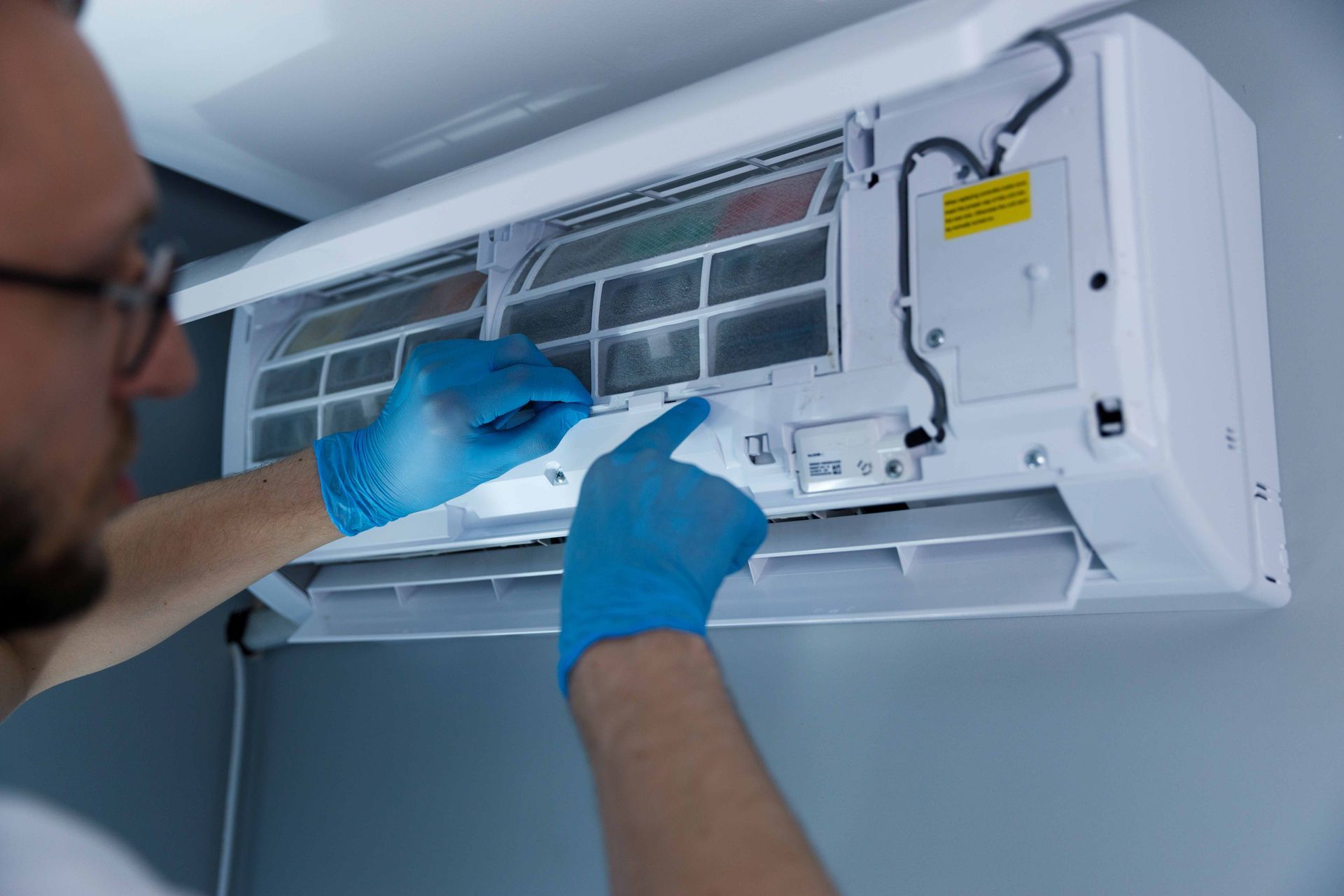
Weighing HVAC repair vs. replacement in Fountain, CO? Home Heating Service, Inc. helps you decide with a free estimate and flat-rate pricing. Call today.

Need Emergency AC Repair Services in Fountain, CO? Home Heating Service, Inc. offers 24/7 response. Follow these safety steps and call us now.
Need drain cleaning in Colorado Springs, CO? Home Heating Service, Inc. helps clear buildup fast. Call us at (719) 300-4807 today.
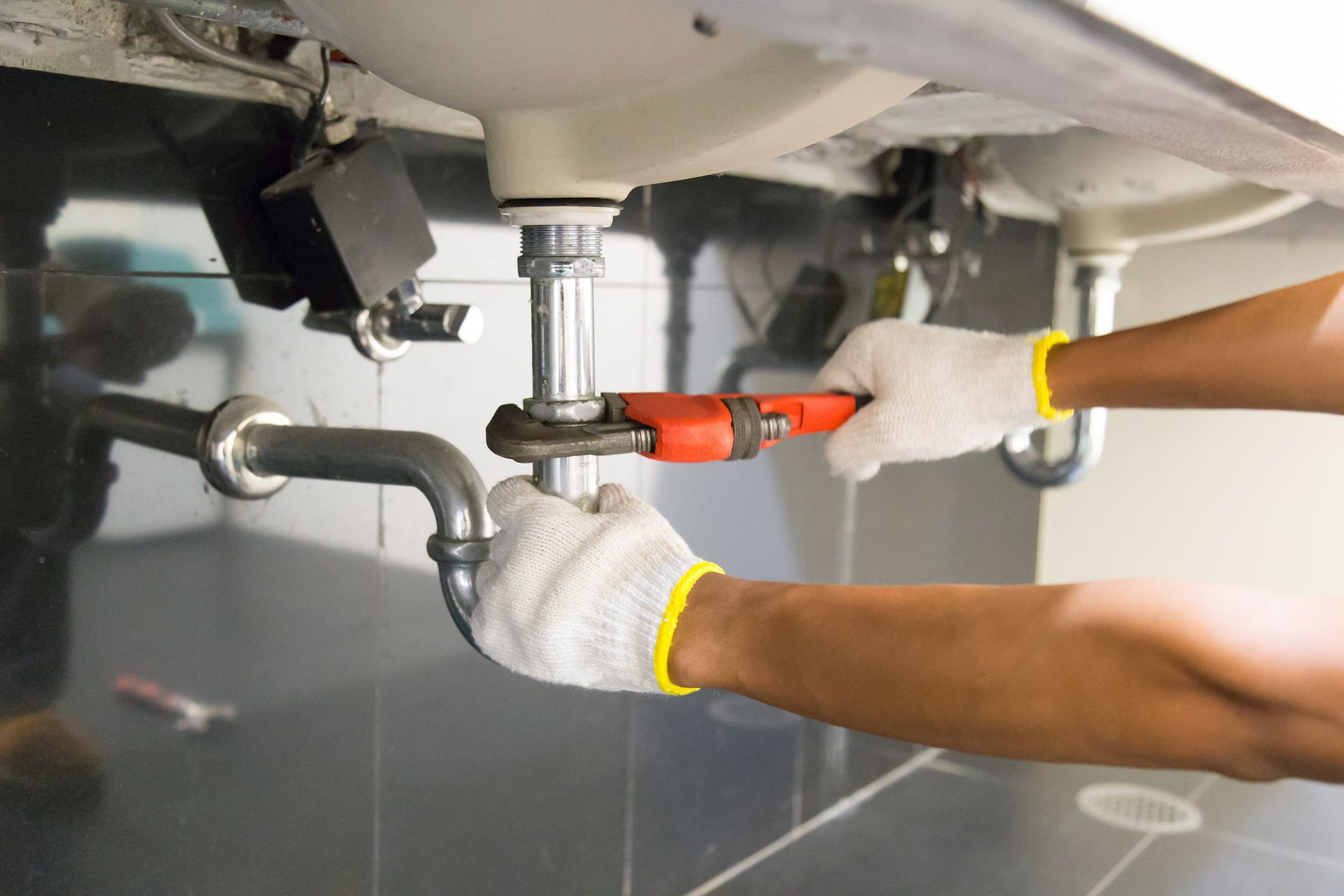
Tired of stubborn hard water issues? Learn practical plumbing tips in Colorado Springs, CO, from Home Heating Service, Inc. Click here for hassle-free help!
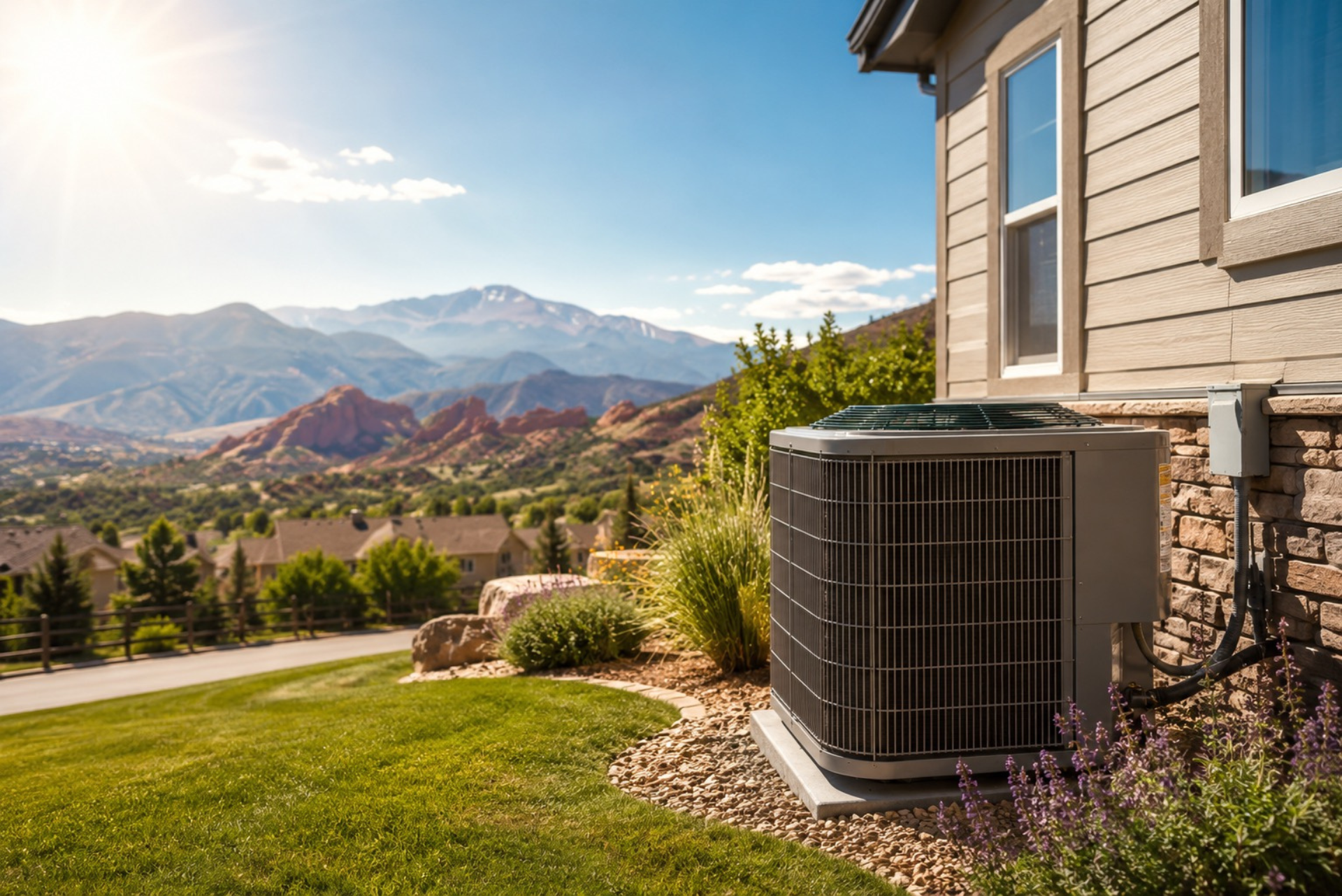
Learn when longer AC run times are normal during hot Colorado Springs weather and when your system may need professional attention.






